Every gamer, whether a casual player after work or a dedicated weekend warrior, has encountered something "OP" in their favorite titles. But what exactly does "OP" mean in the vast and evolving landscape of gaming? This comprehensive guide dives deep into the concept of "overpowered" elements in games, from characters and weapons to strategies and abilities. We'll explore why certain aspects become OP, how they impact game balance, and what developers do to manage them. For busy US gamers, balancing family, work, and precious gaming time, understanding the meta and identifying OP elements can be crucial for optimizing fun, gaining a competitive edge, or simply enjoying a smoother, less frustrating experience. We cover how OP trends emerge, often influenced by pro players and content creators, and how you can spot them to improve your gameplay or adapt your strategy. Discover the latest insights into game balance and community discussions, helping you stay current without getting bogged down in hype. Learn how to recognize when something is truly OP versus merely strong, ensuring you make informed choices in your gaming sessions. This article will equip you with the knowledge to navigate game updates, character reworks, and community sentiments, helping you make the most of your limited gaming hours and achieve that satisfying victory. It's about staying informed and empowered in your digital adventures.
What does it mean when something is called "OP" in a video game?
When gamers say something is "OP," it means "Overpowered." This refers to any character, weapon, ability, or strategy that is significantly stronger or more effective than other available options within the game, often to the point of being unfair or breaking the intended game balance. It makes it too easy to win or perform well, regardless of player skill. For example, a new hero released in a mobile MOBA that has significantly higher damage output or survivability than any other hero, without sufficient drawbacks, would be considered OP.
Why do game developers sometimes release or create overpowered content?
Developers don't intentionally aim to create OP content, but it happens for several reasons. Sometimes, it's a design oversight during testing, where a certain combination of abilities or items isn't fully anticipated. Other times, it's a new character or weapon meant to be exciting and popular upon release, and its power might be slightly overtuned to generate buzz. In some free-to-play games, a new, strong element might also encourage players to spend money to acquire it, though reputable studios quickly address imbalances to maintain fairness.
How does an "OP" element affect the overall game experience and balance?
An OP element can significantly disrupt game balance and player experience. It can lead to a stale "meta" where everyone feels forced to use the same few strong options to compete, reducing variety and creativity. This often causes frustration among players, making the game less fun and potentially leading to player churn. For busy gamers who cherish their limited play time, encountering an OP element can quickly turn a relaxing session into a grind against an unfair advantage, diminishing their enjoyment and motivation.
What do game developers typically do to fix or balance overpowered items or characters?
Developers usually employ "nerfs" – changes that reduce the power or effectiveness of an OP element. This might involve decreasing damage, increasing cooldowns, reducing health, or removing certain advantageous interactions. They also use "buffs" to bring weaker elements up to par, creating more viable choices. These adjustments are typically rolled out in game patches after collecting data and feedback from the community, aiming to restore a healthy and diverse competitive environment where skill matters most.
As a player, how can I identify if something is truly "OP" or just strong in the right hands?
Identifying truly OP elements involves looking beyond personal frustration. A strong character or weapon requires skill, strategy, and specific conditions to excel. An OP element, however, often performs exceptionally well with minimal effort, consistently dominates across a wide range of skill levels, and has few discernible counter-plays or weaknesses. Check community discussions, pro player tier lists, and your own win rates against it. If it seems universally dominant, even against skilled players trying diverse strategies, it’s likely OP.
What are the best strategies for playing against an "OP" character or build when I encounter it?
When facing an OP element, adaptation is key. First, try to understand its strengths and weaknesses; even OP things usually have some. Focus on counter-picking if your game allows, choosing characters or items that naturally exploit those weaknesses. Modify your playstyle to avoid direct confrontations where the OP element excels, focusing on objective play, disengagement, or coordinated team efforts to mitigate its impact. Sometimes, the best strategy is simply to survive and play for longer-term objectives, waiting for a patch that balances things out.
How do community trends and content creators influence what becomes "OP" in games?
Community trends and content creators play a massive role in highlighting and sometimes even creating OP phenomena. When a popular streamer or pro player discovers an unusually effective build or strategy, it often spreads rapidly through their audience and the broader gaming community. This collective attention can quickly establish it as the "meta," solidifying its status as OP if it genuinely provides an unfair advantage. Their insights often accelerate the discovery of balance issues, prompting developers to take action faster.
Ever jump into your favorite online game after a long day, hoping to unwind and maybe grab a few wins, only to get absolutely steamrolled by that one character, weapon, or strategy everyone's complaining about? You know the feeling. That frustrating moment when it feels like no matter what you do, you're just outmatched by something seemingly... unfair. This isn't just you; it's a shared experience among US gamers, especially those of us balancing careers, families, and life's demands with our passion for gaming. With 87% of US gamers regularly dedicating 10+ hours a week to their hobby, our limited time means we want our sessions to be fun and rewarding, not frustrating. This often leads us to ask, "what is OP in games?" and more importantly, "how do I deal with it?"
The term "OP" short for "Overpowered" is a core part of gaming lexicon, referring to anything that's disproportionately effective compared to other options, throwing off game balance. It could be a character in a fighting game, a weapon in a shooter, an ability in an RPG, or even a specific strategy that dominates the current "meta." Understanding what makes something OP isn't just for competitive pros; it's vital for every gamer aiming for performance optimization, better social play, or simply a more enjoyable experience. Whether you're trying to pick a reliable hero in a mobile MOBA a huge trend this month or optimize your build in a new PC RPG, knowing how to spot and understand OP elements can significantly enhance your fun and skill-building. This guide will walk you through everything you need to know about what is OP in games, helping you navigate the ever-changing landscape of your favorite digital worlds without getting swept away by the latest imbalance.
What Exactly Does OP Mean in Gaming?
In the vast world of video games, "OP" is a widely used acronym for "Overpowered." It describes any in-game element that possesses an unfair or disproportionate advantage over other options. This could be a character, a specific weapon, an ability, a spell, a piece of equipment, or even a particular strategy. When something is OP, it performs far better than intended or expected, often requiring minimal skill to achieve significant results. This imbalance can quickly dominate the game's meta, meaning players feel compelled to use it to compete effectively, diminishing variety and strategic depth. For US gamers who prioritize value for money and getting the most out of their entertainment, running into consistently OP elements can feel like a waste of their investment and limited time.
Think of it this way: if a new rifle in a tactical shooter consistently out-damages every other weapon, has superior accuracy, and less recoil, it's likely OP. Or, if a hero in a team-based game can solo entire groups of enemies without much effort, that character is probably overpowered. The core issue is that it makes other choices feel irrelevant or inferior, reducing the fun and competitive integrity of the game for many players. This phenomenon is prevalent across all platforms, from the latest console blockbusters to popular mobile games, which dominate the gaming scene with their accessibility and social features, influencing how millions play and interact online.
Why Do Things Become Overpowered in Games?
The emergence of overpowered elements isn't usually a malicious act by developers; it's often a complex outcome of game design, testing, and the sheer unpredictability of player creativity. One common reason is a design oversight: during development, certain combinations of abilities or items might seem balanced in isolation but become devastating when combined in ways the developers didn't anticipate. This is especially true in complex RPGs or strategy games with numerous interlocking systems.
Another factor can be intentional but slightly miscalculated balancing. Sometimes, developers release new content like characters or weapons with slightly elevated power levels to generate excitement and encourage players to try them out. This can be particularly true in free-to-play titles where new content drives engagement and monetization. However, if this initial boost is too significant, it can quickly turn a strong new addition into an OP problem. Furthermore, the competitive nature of gamers means that players will always seek out the most efficient path to victory. Even a seemingly minor advantage can be exploited and optimized by the community, particularly by pro players and content creators, pushing it to OP status faster than developers can react. The iterative nature of game development means patches and updates are constant, but perfect balance is an elusive target.
How Do Developers Address Overpowered Elements?
Once an element is widely identified as OP, game developers typically spring into action to restore balance. The primary method for this is a "nerf." A nerf involves reducing the power or effectiveness of the overpowered element. This can take many forms: decreasing damage output, increasing cooldown timers, reducing health or defense, lowering accuracy, or even changing how an ability functions entirely. The goal is not to make the element useless but to bring it in line with other options, ensuring it still has a role without dominating the meta.
Developers also use "buffs," which increase the power of underperforming elements, to broaden player choice and make more options viable. These adjustments are usually delivered through game patches and updates, which are increasingly frequent in today's live-service gaming environment. Before implementing changes, responsible developers gather extensive data from player statistics, listen to community feedback (though they must filter for noise), and conduct internal testing. It's a delicate balancing act, as an over-nerf can make an element completely irrelevant, frustrating players who had invested time or money into it. Maintaining a healthy game requires constant monitoring and a commitment to iterative balancing to keep the player base engaged and satisfied, acknowledging that perfection is rarely achievable in a dynamic virtual world.
How Does OP Impact the Gaming Community and Meta?
The presence of an overpowered element profoundly impacts the gaming community and dictates the "meta" which is the Most Effective Tactic Available. When something is OP, players quickly discover and flock to it, often feeling forced to use the dominant strategy simply to compete. This leads to a lack of diversity in gameplay; everyone uses the same characters, weapons, or builds, making matches feel repetitive and predictable. For many gamers, especially those who balance their hobby with busy lives, this can quickly lead to burnout and a sense of staleness, undermining the fun and creativity that initially drew them to the game.
On a social level, OP elements can generate significant frustration and toxicity within the community. Players become annoyed with being consistently defeated by the same few options, leading to complaints, arguments, and even harassment in online spaces. This negativity can sour the social aspects of gaming, which for 60% of gamers is a key driver for playing. Furthermore, OP elements can widen the skill gap, making it harder for new or less experienced players to get into a game, as they face overwhelming odds against seasoned players utilizing imbalanced tools. Ultimately, while an OP element might briefly create a unique gameplay phase, its prolonged existence tends to harm player morale, reduce engagement, and foster a less welcoming environment.
Can an OP Element Be Good for a Game?
While often viewed negatively, an OP element can, in rare circumstances, offer some temporary benefits or unique dynamics to a game. Initially, a new, powerful character or weapon can generate significant hype and excitement, drawing new players or bringing back old ones. This buzz can create a temporary surge in player count and engagement, as everyone rushes to try out the new dominant force. It can also lead to fascinating community experiments, as players creatively explore and push the limits of the new OP element, uncovering unforeseen interactions and strategies that might not have been discovered otherwise. This experimental phase can sometimes reveal innovative gameplay possibilities.
However, it is crucial to emphasize that these benefits are almost always short-lived and come with significant risks. A prolonged OP state inevitably leads to frustration, burnout, and a decline in player enjoyment and retention. The perceived "good" is usually in the initial discovery and exploration phase, before the imbalance becomes a pervasive problem. A truly healthy game thrives on balance, diversity, and strategic depth, where multiple viable options exist, and player skill is the primary determinant of success. So, while an OP element might inject a temporary burst of energy, it's rarely a sustainable or desirable long-term state for any game aspiring to maintain a thriving and fair player base.
How Can I Identify OP Characters, Weapons, or Strategies?
For the average gamer trying to maximize their limited play time, knowing how to spot genuinely OP elements is a crucial skill. It goes beyond anecdotal frustration and requires a more analytical approach. First, observe consistency: does a particular character or weapon consistently perform exceptionally well across many matches, regardless of who is using it or their skill level? If even a less skilled player can achieve significant success, it's a strong indicator. Second, look for a lack of counter-play: are there very few effective ways to combat this element? If it feels like there's no good answer or strategy against it, it's likely overpowered.
Third, consult the community and content creators. If major gaming forums, Reddit threads, and popular streamers are all discussing the same item or character as being "broken" or "OP," there's a good chance their collective wisdom is accurate. This month, for example, many online communities are buzzing about a specific champion in a new hero shooter that can consistently bypass defenses and secure kills with minimal risk. Professional player tier lists are also invaluable resources, as these experts spend countless hours dissecting game mechanics. Finally, use your own statistics if your game tracks them. If your win rate or performance significantly dips when encountering a specific element, or skyrockets when you use it, that's personal data backing up the OP claim. Combining these observations will help you differentiate between something merely strong in the right hands and something genuinely imbalanced.
What is the Difference Between OP and Strong?
This is a fundamental distinction that often gets muddled in heated discussions. A "strong" character, weapon, or ability is powerful and effective, but it operates within the intended bounds of the game's balance. It typically requires skill, strategic execution, and specific conditions or team compositions to excel. Strong elements have discernible weaknesses or clear counter-plays that can be exploited by intelligent opponents. For instance, a sniper rifle might be strong, but it requires precise aim and leaves the user vulnerable at close range. A tank character might be strong due to high health, but they lack damage output and mobility.
An "OP" element, on the other hand, transcends these boundaries. It provides an advantage that is disproportionate to its costs or risks, often allowing players to achieve success with significantly less effort or skill than comparable options. It either has no meaningful weaknesses, its strengths massively outweigh any drawbacks, or it creates interactions that break fundamental game rules. Unlike strong elements which contribute to strategic diversity, OP elements tend to homogenize gameplay by making other choices feel unviable. Understanding this difference is key to providing constructive feedback to developers and maintaining a healthy perspective on game balance. Many gamers mistake a highly skilled player using a strong character for an OP scenario, when in reality, it's the player's mastery that's the real factor.
How Do I Adapt My Playstyle When Facing OP Opponents?
Facing an OP element can be frustrating, especially when you have limited time for gaming. However, adapting your playstyle can significantly improve your experience and chances of success. First, identify the OP element's core strengths and, more importantly, its hidden weaknesses. Even the most powerful things usually have some vulnerability. Is it strong at close range but weak at a distance? Does it rely on certain cooldowns or resources? Understanding these can help you formulate a counter-strategy. For example, if a mobile game character is OP due to high burst damage, focus on defensive items or engaging them when their key abilities are on cooldown.
Next, consider counter-picking if your game allows. Choose characters, items, or strategies that naturally mitigate the OP element's strengths. This might mean picking a character with crowd control to lock down a highly mobile OP threat, or selecting a healer to offset their damage. If direct confrontation is too risky, focus on objective play, map control, or isolating other members of their team. Sometimes, the best strategy against an OP element is to simply avoid it where it's strongest and outmaneuver the opponent in other aspects of the game. Communication with your teammates is also vital; a coordinated effort can often nullify an OP threat that an individual player couldn't handle alone. Remember, adaptation is a key skill for any gamer, helping you navigate the ever-shifting landscape of the meta.
What are Some Recent Examples of OP Trends in Games?
Gaming trends are constantly evolving, and what's OP "this month" can quickly shift with a new patch or emergent strategy. One notable trend recently seen across various online competitive games, from hero shooters to MOBAs, is the rise of "mobility creep." Characters with exceptionally high mobility, often coupled with strong damage or escape tools, have become increasingly dominant. They can outmaneuver less agile opponents, secure kills, and escape without consequence, making them feel incredibly overpowered.
Another prevalent OP trend, particularly in battle royales and survival games, revolves around specific weapon attachments or crafting recipes that provide an excessive advantage. For instance, a recent update to a popular survival shooter introduced a blueprint for a high-tier weapon with significantly reduced recoil and increased damage range that, once crafted, made it overwhelmingly superior to other late-game options, dominating final circles. In the mobile gaming space, which boasts immense popularity among US gamers, some new hero releases in popular titles have been criticized for having "overloaded kits" – characters with too many abilities, making them versatile and strong in every situation without clear weaknesses. These examples highlight how OP trends can manifest across different genres and mechanics, constantly challenging developers to maintain a fair and engaging experience for their dedicated player bases.
How Can I Provide Constructive Feedback on OP Issues?
As a gamer, your voice matters, and providing constructive feedback on OP issues is crucial for helping developers improve the games you love. However, simply yelling "NERF X, IT'S OP!" isn't effective. Start by gathering evidence: document your experiences. Provide specific examples of why you believe something is overpowered. What makes it too strong? What are its strengths, and where are its supposed weaknesses failing to manifest? Quantify if possible: "This character's ability deals X amount of damage, which is Y% higher than similar abilities, and its cooldown is Z% shorter."
When communicating, be respectful and avoid personal attacks on developers or other players. Utilize official channels such as game forums, Discord servers, dedicated bug report tools, or social media pages where developers are active. Many developers are genuinely keen to hear from their player base, understanding that balanced gameplay leads to better long-term retention and satisfaction. Frame your feedback as a desire to improve the game, not just a complaint about losing. Suggest potential solutions or alternative balancing approaches, even if they're not ultimately chosen, as this demonstrates thoughtfulness. Your insights, combined with thousands of other players, help developers paint a clearer picture of balance issues, guiding their decisions for future patches and ensuring the game evolves in a positive direction for everyone.
Is 'OP' always a negative thing for a game?
Not always. While often causing frustration, an OP element can sometimes create exciting new metas or draw attention to a game. However, prolonged imbalance typically harms player retention and fairness, proving detrimental in the long run. The initial buzz rarely justifies long-term imbalance.
How quickly do developers usually nerf an OP character or weapon?
It varies widely by game and studio. Some developers react within weeks, especially for major competitive titles, while others might take months, gathering more data to avoid over-nerfing. The speed depends on the severity of the imbalance and the developer's update cycle.
Can a player be considered OP?
No, "OP" specifically refers to game elements like characters, items, or abilities. Players can be highly skilled or "broken" in terms of skill level, but the term OP isn't applied to individuals; they are just very good at using the available tools.
Does "OP" apply to single-player games?
Yes, absolutely. In single-player games, an OP build or ability might make the game too easy, diminishing the challenge and sense of accomplishment for players seeking a balanced experience, essentially removing the fun by eliminating difficulty.
What's the relationship between "OP" and "meta"?
OP elements heavily influence the "meta" – the currently most effective tactics available. Players often gravitate towards OP strategies to gain an advantage, shaping how the game is predominantly played until balance changes are implemented.
Are free-to-play games more likely to have OP elements?
Sometimes. Free-to-play games, especially those with monetization around new characters or items, can sometimes introduce OP elements to encourage spending, though reputable developers strive for balance to maintain player trust and long-term engagement.
Navigating the dynamic world of gaming means constantly encountering new challenges, and understanding "what is OP in games" is a fundamental skill for any dedicated player. From recognizing an imbalanced character to adapting your strategies, this knowledge empowers you to enjoy your gaming sessions more fully, whether you're chasing competitive ranks or just having fun with friends. Keeping an eye on game updates, community discussions, and professional player insights can help you stay ahead of the curve, ensuring your precious gaming time is spent on mastering skills, not just fighting against broken mechanics.
The goal isn't just to win every match, but to understand the game better and contribute to a healthier, more balanced experience for everyone. Remember, game developers are often listening, and constructive feedback can truly make a difference. So, next time you spot something truly OP, you'll have the insights to both understand its impact and adjust your approach. What's your biggest gaming challenge when it comes to game balance or overpowered elements? Comment below and share your experiences!
OP means Overpowered An element too strong relative to others Impacts game balance fairness and player enjoyment Caused by design flaws unforeseen interactions or new content Developers use nerfs buffs and reworks to adjust balance Understanding OP helps improve gameplay strategy and game enjoyment The meta constantly shifts requiring adaptation
35


TOP 21 NEW Upcoming Games Of 2026 YouTube . Best Co Op Games 2026 You Need To Play With Friends Gamer Org A Gaming Thumbnail Design With A Dramati GM3eDXEQRc Kw 8Kc4tUjw Yg 1024x574 . Top 10 Most Anticipated Games Of 2026 What To Watch Out For TVN GAMES IN 2026 . PS5 Players Getting 2026 Packed With Highly Anticipated Games Ps5 Games 2026 . The 8 Biggest Co Op Games To Play In 2026 8 Biggest Co Op Games To Play In 2026 Vgnw 2048x1152

10 Much Awaited Games Set To Launch In 2026 Games To Launch 2026 1068x672 . Best Co Op Games Of 2025 So Far YouTube . The 94 Most Exciting Games Of 2026 Eurogamer Net 2026 Best . Drift 36 Codes November 2025 Com Large . Video Games 2026 Ones To Watch Part 1 Quest Daily 2026 Games Pt 1



Top Upcoming Games Of 2026 You Shouldn T Miss Gamersshub Top Games 2026 Gghub . Upcoming Games 2026 Full Video Game Release Calendar Beebom 2026 Games Release Schedule . Stora Datorspelsl Ppen I Mars 2026 Players For Life Gaming News . Co Op Games January 2026 . 2026 Games Release Schedule Everything Coming Out This Year 2026 Most Anticipated Games


Every Major Game Releasing In January 2026 Gaming Amigos F95046. 20 Most Anticipated Video Games Of 2026 Page 20 1200x675 . EA F1 26 Canceled 2026 Season Update Details 2026 Upcoming Games Release Dates . The List Co Op Games You Need To Play In 2026 Too Much Gaming Best Co Op Games 2026 . Top 5 New Games You Should Be Streaming In 2026 GETREKT Top 5 Stream 2026 6bdddd73 9416 444e Bc3c
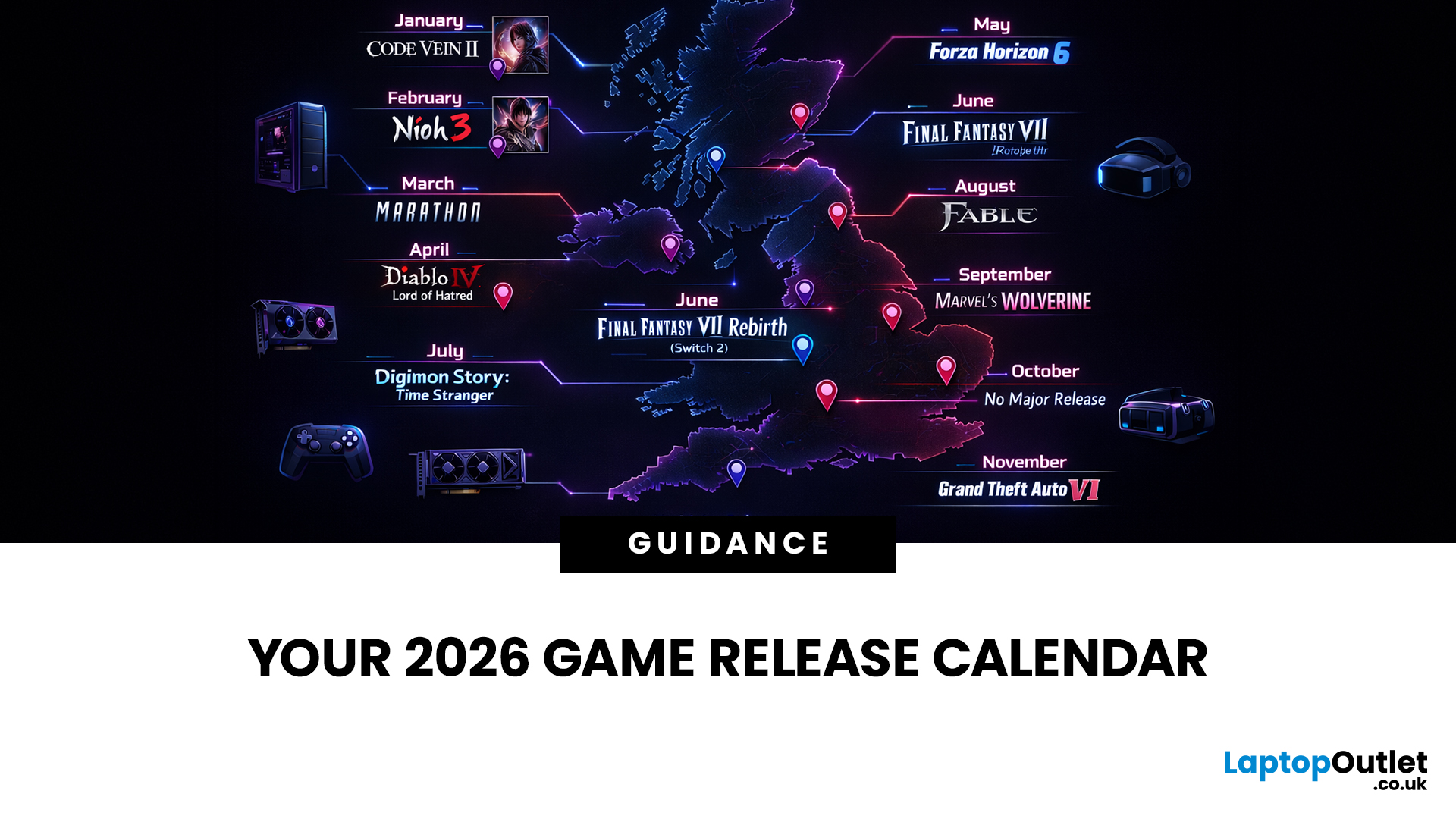
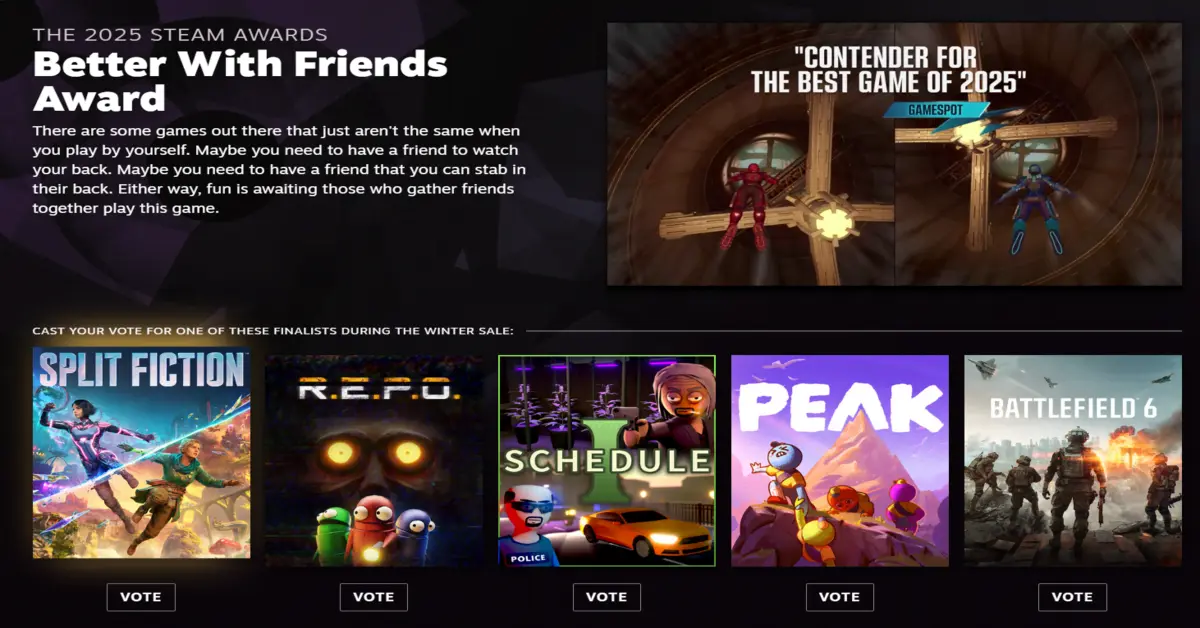
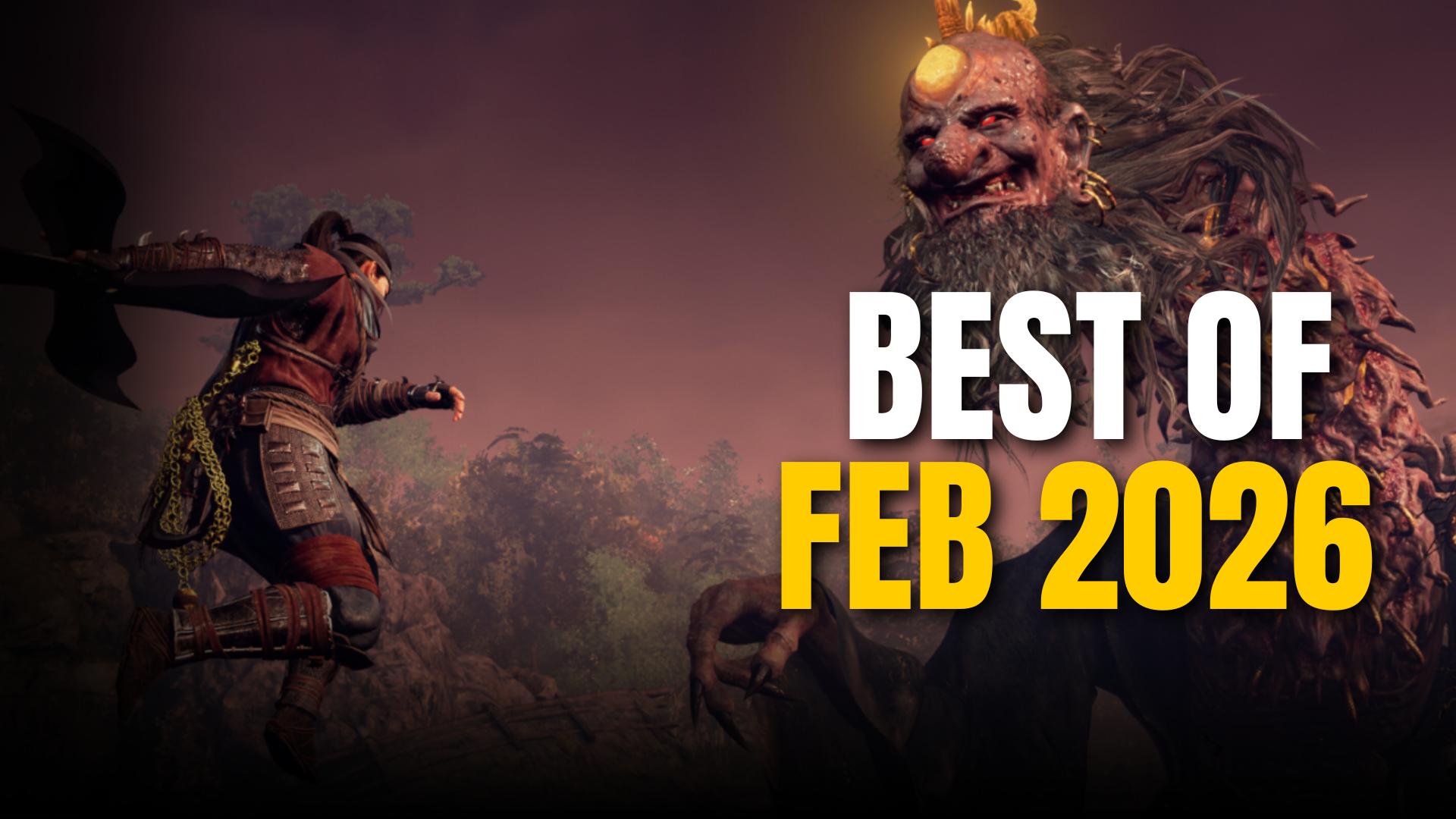
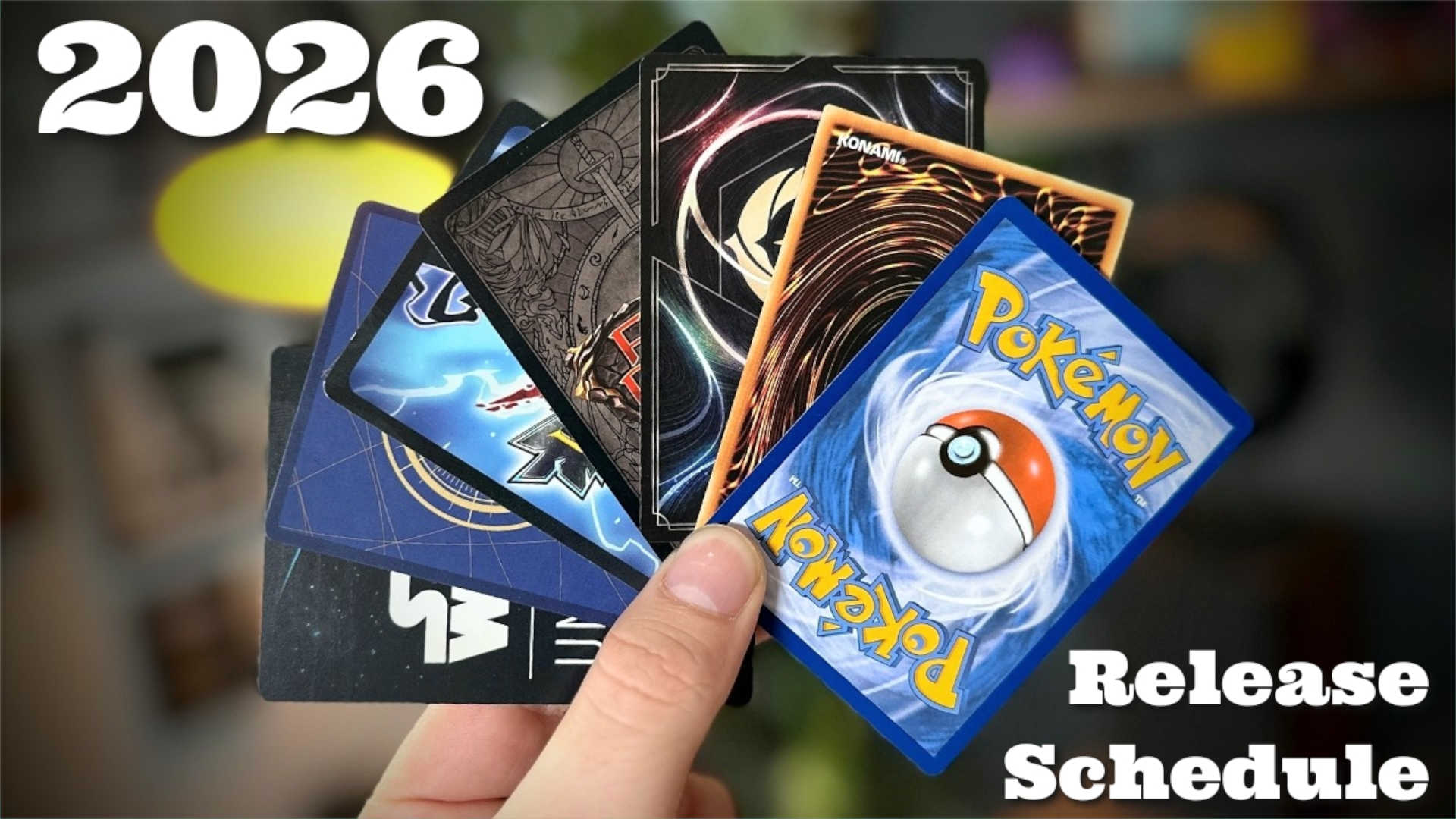
What Are The Top Upcoming Games In 2026 Every Gamer Should Watch Game 1024x683 . April Gaming Calendar 2026 New Game Releases Events Must Play Titles Game Releases Full Calendar Release Dates Main . Best Co Op Games To Play As A Team In 2026 AllKeyShop Com Beste Co Op Spiele 2026.webp. The Biggest Co Op And Story Games Coming In February 2026. 2026 Card Game Release Schedule Card Gamer Cg 2026 Releases

Best Co Op Games On PlayStation Plus PS5 2026 Image. Exciting Co Op Games Coming In 2026 What To Play Together Next Year . Best Co Op Survival Games 2026 Top Picks For Playing With Friends Best Co Op Survival Games 2026 Comparison Table. 12 Co Op Games You Can Enjoy Together In 2026 Restart Run Og. Most Anticipated Co Op Games Releasing In 2026 Gamers News GamersNewz 10 Upcoming Co Op Titles To Keep On Your Radar In 2026



The Most Anticipated Games Of 2026 IG News . 10 Co Op Games Releasing In 2026 GAMES GG Krafton Pays Unknown Worlds 250 Million Cover. NextPlay S Most Anticipated Games Of 2026 NextPlay Australia Most Anticipated 1 1024x576 . Taking An EARLY Look At The 2026 Gaming Lineup YouTube . 25 Most Anticipated Games Of 2026 From GTA VI To Wolverine