Navigating the world of game card computers can be a complex but rewarding journey for any gamer looking to optimize their experience. This comprehensive guide is designed for the busy adult gamer who juggles work, family, and a passion for interactive entertainment. We delve into everything from selecting the right graphics card, often the heart of your game card computer, to understanding essential upgrades and troubleshooting common performance issues. Discover how to enhance your system for the latest titles, engage in social gaming, and even stream without breaking the bank or sacrificing precious family time. Our insights will help you make informed decisions, ensuring your game card computer delivers peak performance and value, keeping you current with gaming trends like the rise of cross-play and mobile integration, all while maintaining a balanced life. This article is your go-to resource for maintaining an efficient, enjoyable gaming rig.
What is the most crucial component for a game card computer's performance?
The most crucial component for a game card computer's performance is undoubtedly the graphics processing unit or GPU, often referred to as the 'game card' itself. This powerful piece of hardware is responsible for rendering all the visuals on your screen, from intricate game worlds to fluid animations. A strong GPU ensures high frame rates, crisp resolutions, and the ability to enjoy modern games at their best settings, making it the heart of any serious gaming rig.
How often should an adult gamer consider upgrading their game card computer?
For adult gamers balancing life and play, a practical upgrade cycle for a game card computer is typically every 2 to 4 years. This timeframe usually aligns with significant leaps in graphics technology and new game demands. However, rather than strictly by time, upgrade when your current system struggles to deliver satisfactory performance in the games you want to play, or when a major component like the GPU falls significantly behind current standards, impacting your enjoyment and social gaming experiences.
What are the key factors for choosing a game card computer on a budget?
When choosing a game card computer on a budget, prioritize the GPU, followed by a balanced CPU, sufficient RAM (at least 16GB today), and a fast SSD. Focus on achieving your target resolution (e.g., 1080p) and frame rate (e.g., 60fps) for the games you enjoy most. Consider previous generation components or mid-range options from current generations, which often provide excellent price-to-performance ratios. Look for sales and pre-built deals, always checking user reviews and benchmarks to ensure solid value for your hard-earned money.
How can I optimize my game card computer for better performance without buying new parts?
Optimizing your game card computer without new parts involves several key steps. Always keep your graphics drivers updated from the manufacturer's website. Adjust in-game graphics settings, prioritizing frame rate over ultra-high fidelity for less demanding titles. Ensure your operating system and games are on an SSD for faster load times. Regularly clean dust from fans and components to prevent overheating, which can throttle performance. Finally, close unnecessary background applications while gaming to free up system resources.
Is a game card computer essential for social gaming and multiplayer experiences?
A game card computer is highly beneficial, and often essential, for the best social gaming and multiplayer experiences. It provides the stability, high frame rates, and customization options necessary for competitive play and seamless communication through platforms like Discord. While consoles offer social gaming, a powerful PC allows for a wider range of titles, better graphical fidelity, and a more robust platform for cross-play, streaming, and community interaction, enhancing your ability to connect and compete with friends online.
What are common signs that my game card computer needs troubleshooting or repair?
Common signs your game card computer needs troubleshooting include frequent game crashes, stuttering or low frame rates in games that previously ran smoothly, unusual noises from fans, unusually high temperatures, or graphical artifacts appearing on your screen. Other indicators might be slow boot-up times, applications freezing, or peripheral devices not being recognized. Addressing these issues promptly can prevent further damage and restore your gaming experience to optimal levels.
How can I balance a demanding job and family life with my passion for gaming on my game card computer?
Balancing a demanding job and family life with gaming requires strategic planning and communication. Schedule your gaming sessions like any other leisure activity, ensuring it doesn't infringe on family time or work responsibilities. Focus on games that offer shorter play sessions or allow for easy pausing. Utilize your game card computer's power to make the most of limited time with quick load times and smooth performance. Communicate your gaming passion with your family to foster understanding and avoid conflicts, making gaming a source of relaxation, not stress.
Hey fellow gamers! If you are anything like the millions of US adults who dive into virtual worlds after a long day of work, you know the struggle is real. You want to unwind, conquer new challenges, or just hang out with friends online, but you also have a life to manage. Your game card computer is at the heart of this experience. It's not just a machine; it's your portal to relaxation, skill-building, and social connection. But keeping it performing optimally, knowing when to upgrade, and troubleshooting issues without wasting precious gaming time can feel like another boss battle.
According to recent stats, approximately 87 percent of US gamers play regularly, often dedicating 10 or more hours a week to their passion. And while mobile gaming still dominates in sheer numbers, the dedicated PC gaming scene is thriving, with many balancing their digital adventures with family and career. This guide is built for you, the gamer who values performance and value, but doesn't have endless hours to research specs or fix glitches. Let's make sure your game card computer is always ready for action, without adding stress to your already busy life.
What Exactly is a Game Card Computer and Why Does It Matter?
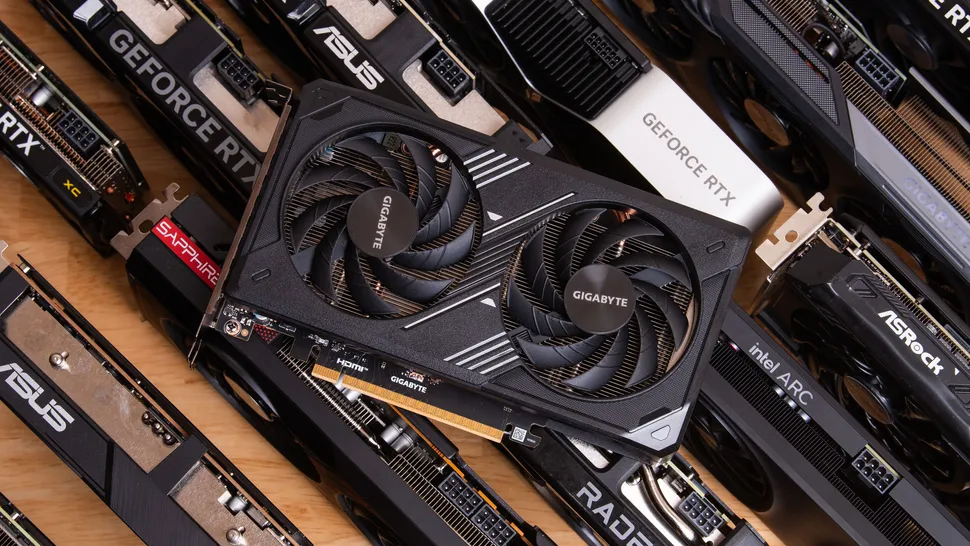
A game card computer, often simply called a gaming PC, is a specialized personal computer built with components optimized for running video games. The 'game card' typically refers to the graphics processing unit (GPU) or video card, which is the single most critical component for gaming performance. It renders images, videos, and animations, turning game data into what you see on your screen.
Why does it matter? Because without a powerful and efficient game card, your gaming experience will suffer from low frame rates, choppy visuals, and an inability to run modern titles at their intended quality. For a gamer whose time is precious, a well-performing game card computer means smoother gameplay, faster load times, and a more immersive escape, making every minute you spend gaming truly count. It ensures your system can handle the graphical demands of today's visually stunning and often complex game worlds.
How Do I Choose the Right Game Card for My Budget and Time Constraints?
Choosing the right game card requires balancing performance with your budget and how much time you realistically have to game. For many busy adult gamers, a mid-range card often offers the best value. This month, popular choices include NVIDIA's RTX 4060 series or AMD's RX 7700 XT, which provide excellent 1080p and capable 1440p performance without the premium price tag of flagship models.
First, identify your primary gaming resolution and target frame rate (e.g., 1080p at 60fps or 1440p at 120fps). Then, set a strict budget. Look for benchmark reviews of cards within that range for the specific games you play most. Don't forget to check for sales and consider previous generation cards, which can offer significant savings with only a slight performance drop. Prioritizing value for money means you get a powerful enough experience without overspending on features you might not fully utilize given your limited gaming hours.
When Is It Time to Upgrade My Game Card Computer Components?
The sweet spot for upgrading your game card computer components, particularly the GPU, is usually every 2-4 years, or when you notice a significant drop in performance with new game releases. If your favorite new titles are struggling to hit playable frame rates even on medium settings, or if you can't participate in social gaming experiences with friends due to system limitations, it's a clear sign.
Before buying a new game card, check your CPU, RAM, and power supply (PSU). A new, powerful GPU can be bottlenecked by an older CPU, and insufficient RAM (less than 16GB is often a bottleneck today) or an underpowered PSU can prevent a new card from running effectively. Look for bundled deals on CPU/motherboard/RAM combos to maximize value if a full platform refresh is needed. Smart upgrades ensure you're getting the most out of your investment without unnecessary expenses.
What Are the Best Practices for Optimizing Game Card Performance?
Optimizing your game card computer's performance doesn't always require new hardware. Simple steps can significantly improve your gaming experience. First, ensure your graphics drivers are always up-to-date. Both NVIDIA and AMD frequently release optimized drivers for new game releases, which can provide instant performance boosts.
Next, manage your in-game settings. Often, reducing demanding settings like anti-aliasing, shadow quality, or ray tracing can yield substantial frame rate improvements with minimal visual impact. Close unnecessary background applications before gaming. Regularly clean out temporary files and defragment your hard drives (or ensure your SSDs have TRIM enabled). Finally, monitor your system's temperatures; overheating components can throttle performance. Ensure good airflow in your case and clean dust filters regularly to keep your game card computer running cool and efficient.
How Can I Balance Gaming with My Busy Schedule Using My Game Card Computer?
Balancing gaming with work, family, and other life commitments is a common challenge for the average gamer aged 36. The key is efficient time management and smart game choices. Embrace shorter gaming sessions with quick-play games like popular competitive shooters or cooperative titles that allow for drop-in/drop-out play. Many current social games are designed for flexible playtimes, making it easier to connect with friends even for brief periods.
Utilize your game card computer for gaming that fits your schedule, whether it's a quick match during a lunch break or a focused story session after the kids are asleep. Consider cloud gaming services on your game card computer for flexibility if your internet is robust. Also, communicate with your family about your gaming time; scheduling it like any other hobby can prevent conflicts. Remember, gaming should be a source of relaxation, not another stressor. Your game card computer is a tool for enjoyment, not an obligation.
Are Game Card Computers Good for Social Gaming and Streaming?
Absolutely! Game card computers are the cornerstone of social gaming and streaming, offering unparalleled flexibility and performance. Whether you are battling with friends in a co-op adventure, strategizing in an online multiplayer game, or just chilling in a cozy game, a capable game card computer provides the smooth experience needed to stay connected.
For streaming, a powerful game card (especially a modern one with dedicated encoder cores like NVIDIA's NVENC or AMD's AMF) allows you to play and broadcast simultaneously with minimal performance impact. Platforms like Discord thrive on PC, offering seamless voice chat and screen sharing for social interaction. Many popular titles this month, from massive open-world RPGs to indie co-ops, are best experienced on a game card computer, enabling players to engage with vast online communities and content creators. It's the ultimate platform for building skills and forging friendships online.
What Are Common Troubleshooting Tips for Game Card Computer Issues?
Encountering issues with your game card computer can be frustrating, especially when your gaming time is limited. Start with the basics: restart your computer. This often resolves minor glitches. If a game crashes, verify its files through the game launcher (Steam, Epic Games, etc.).
For graphical issues, update your game card drivers directly from NVIDIA or AMD's website. If a new driver causes problems, revert to an older, stable version. Monitor temperatures using software like HWMonitor; overheating is a frequent culprit for performance drops. Check all cable connections, especially for your game card and power supply. If problems persist, a clean reinstallation of your graphics drivers (using DDU, Display Driver Uninstaller) can often fix deeper software conflicts. Persistent issues might indicate hardware failure, in which case professional diagnosis is recommended.
How Do I Future-Proof My Game Card Computer Investment?
Future-proofing your game card computer means making smart initial purchases and planning for modular upgrades. While true future-proofing is impossible in rapidly evolving tech, you can make your system more resilient.
Start with a robust CPU and a motherboard that supports future generations of processors and has enough PCIe lanes for upgraded game cards and NVMe SSDs. Invest in a power supply with a higher wattage than you currently need (e.g., a 750W or 850W PSU for a mid-range system) to accommodate future, more power-hungry components. Opt for at least 16GB of RAM, with 32GB being ideal for current and upcoming titles. For storage, a fast NVMe SSD is essential for the operating system and frequently played games. Finally, choose a well-ventilated case to ensure adequate cooling for powerful future game cards. These choices extend the lifespan of your core system, allowing you to upgrade just your game card when needed, saving you money and time.
What Are the Latest Trends in Game Card Computer Technology?
The game card computer landscape in 2026 is buzzing with exciting trends impacting how we play. Ray tracing and path tracing continue to evolve, offering incredible lighting and reflections that make games look more realistic than ever, pushing the limits of game card capabilities. AI upscaling technologies like NVIDIA's DLSS and AMD's FSR are now standard, delivering near-native image quality at significantly higher frame rates, allowing mid-range game cards to punch above their weight.
We are also seeing a push towards more energy-efficient game cards, a welcome change for environmental consciousness and lower electricity bills. Integration with VR experiments and mixed reality is becoming more refined, requiring powerful game card computers to deliver truly immersive experiences. The emphasis is on performance per watt, enhanced AI integration for both upscaling and game logic, and a focus on seamless cross-platform experiences, all driven by advanced game card technology that caters to a diverse gaming population.
Phew! That was a lot to cover, but hopefully, you're now feeling much more confident about your game card computer. Remember, the goal is to make your gaming experience as smooth and enjoyable as possible, freeing you up to relax and connect with your digital worlds and friends, even with a busy schedule. By understanding your hardware, optimizing performance, and planning smart upgrades, your gaming rig will serve you well for years to come.
What's your biggest gaming challenge with your game card computer? Comment below! We'd love to hear from you and help out.
FAQ Section
What is the average lifespan of a gaming graphics card? The average lifespan of a gaming graphics card is typically 3 to 5 years, though many can last longer with proper care and cooling, gradually becoming less capable of running the newest games at high settings.
Is 8GB of VRAM enough for modern games in 2026? For 1080p gaming, 8GB of VRAM is generally sufficient for most modern games in 2026, especially with AI upscaling technologies. However, for 1440p or 4K, 12GB or more is increasingly recommended for optimal performance and future-proofing.
Can I use a game card computer for work tasks too? Yes, absolutely. Game card computers are often very powerful, making them excellent for demanding work tasks like video editing, 3D rendering, graphic design, and even complex data analysis, in addition to gaming.
How often should I clean my game card computer? It is recommended to clean your game card computer, particularly its fans and dust filters, every 3 to 6 months. This prevents dust buildup, which can lead to overheating and reduced performance over time.
What are 'bottlenecks' in a game card computer? A bottleneck occurs when one component in your game card computer limits the performance of another. For instance, an outdated CPU might bottleneck a powerful new GPU, preventing it from reaching its full potential in games.
Are pre-built game card computers a good value? Pre-built game card computers can offer good value, especially during sales, and save you the time and effort of building. However, they might sometimes use proprietary parts or have less optimized component pairings compared to custom-built systems.
Optimizing game card computer performance; Budget-friendly upgrade strategies; Balancing gaming with real-world commitments; Troubleshooting common gaming PC issues; Latest trends in gaming hardware for adult gamers.
35
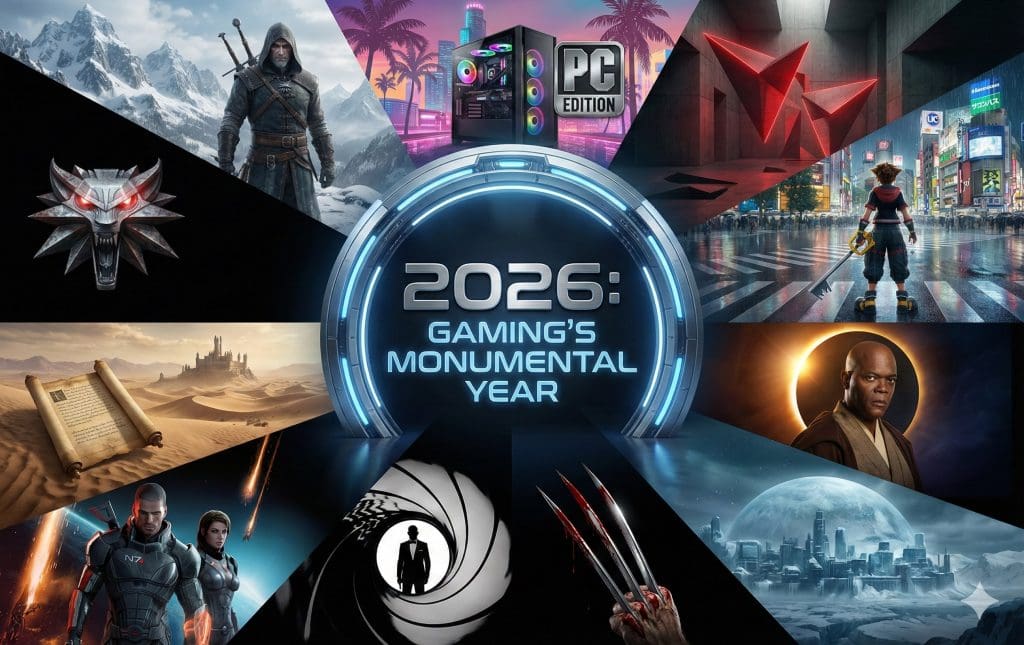
Best Computer Card Games In 2026 Top Picks For PC Gamers 10 Best Computer Card Games . Best Computer Card Games In 2026 Top Picks For PC Gamers How Much Does It Cost To Make A Card Game App In 2025.webp. Best Gaming PCs Of 2026 Tom S Hardware . Best Computer Card Games In 2026 Top Picks For PC Gamers Top Computer Card Games In 2025 . 10 Much Awaited Games Set To Launch In 2026 Games To Launch 2026 1024x645


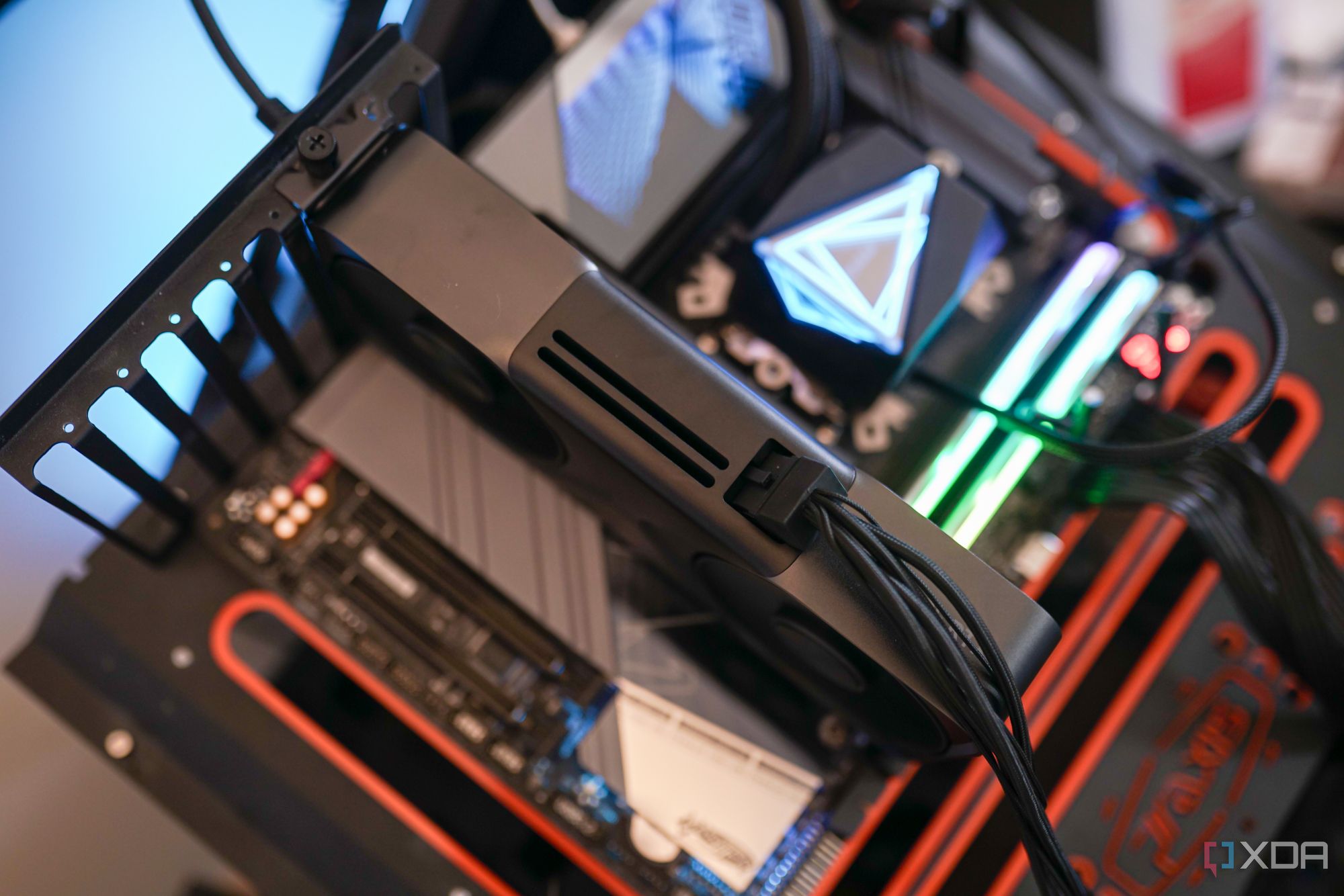

The 15 Best Gaming PC In 2026 Tested Reviewed Com Best Budget Graphics Cards For 4K Video Editing . 2026 Card Game Release Schedule Card Gamer Cg 2026 Releases . EA F1 26 Canceled 2026 Season Update Details 2026 Upcoming Games Release Dates . The Gaming PC You Need To Build For 2026. Most Anticipated Games Of 2026 Inquiry Reveals Secrecy Around Doomed




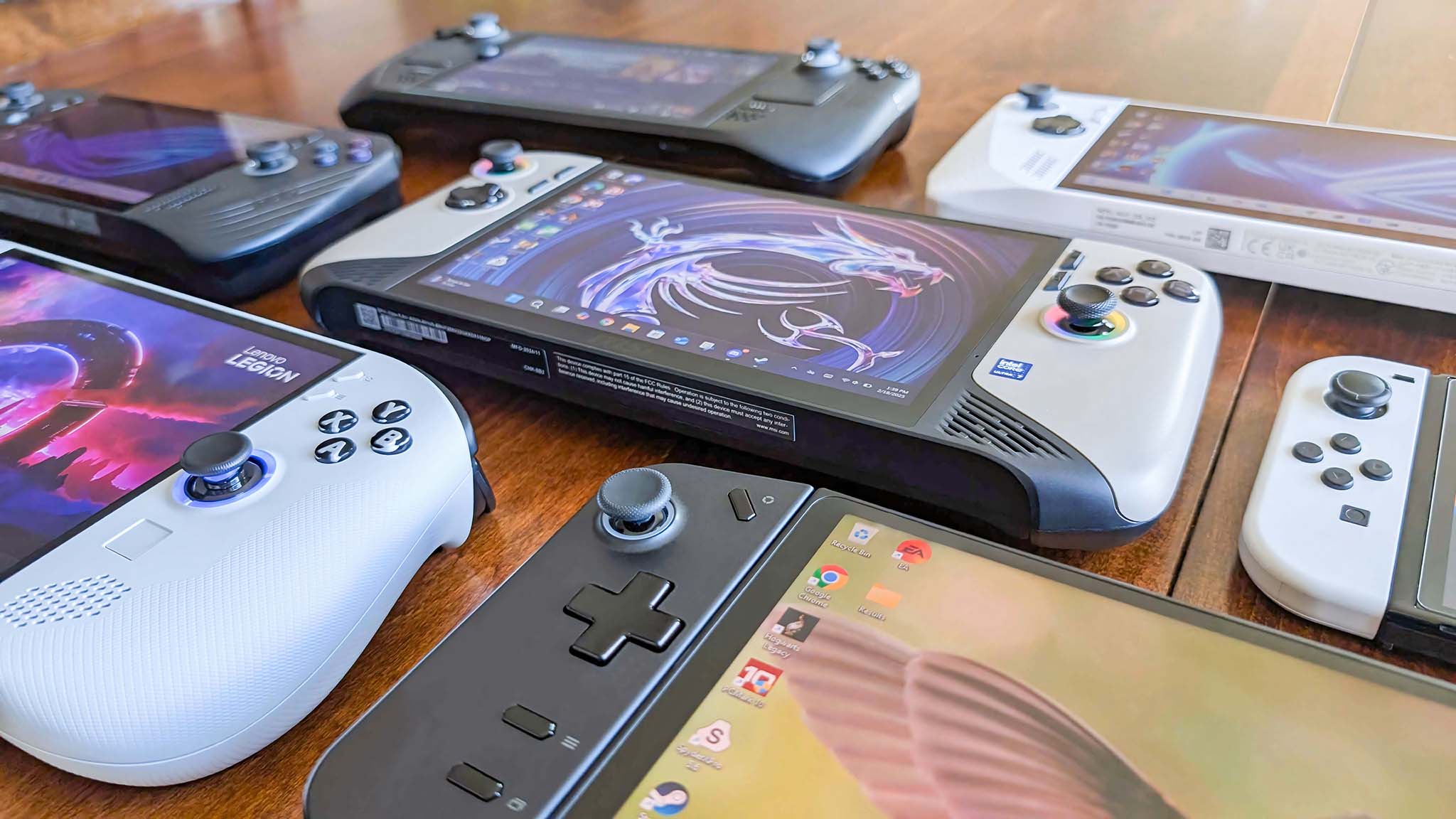
2026 Dash Pack Campaign NEWS Digimon Card Game Img 01 . Top 10 PC Games In 2026 That Will Set New Standards 49 13P . What The Future Of Handhelds And Mini Gaming PC S Will Be CES 2026 . Best Low Spec PC Games In 2026 Play On Any Hardware Best Low Spec Pc Games 2026 1 . The 94 Most Exciting Games Of 2026 Eurogamer Net 2026 Best

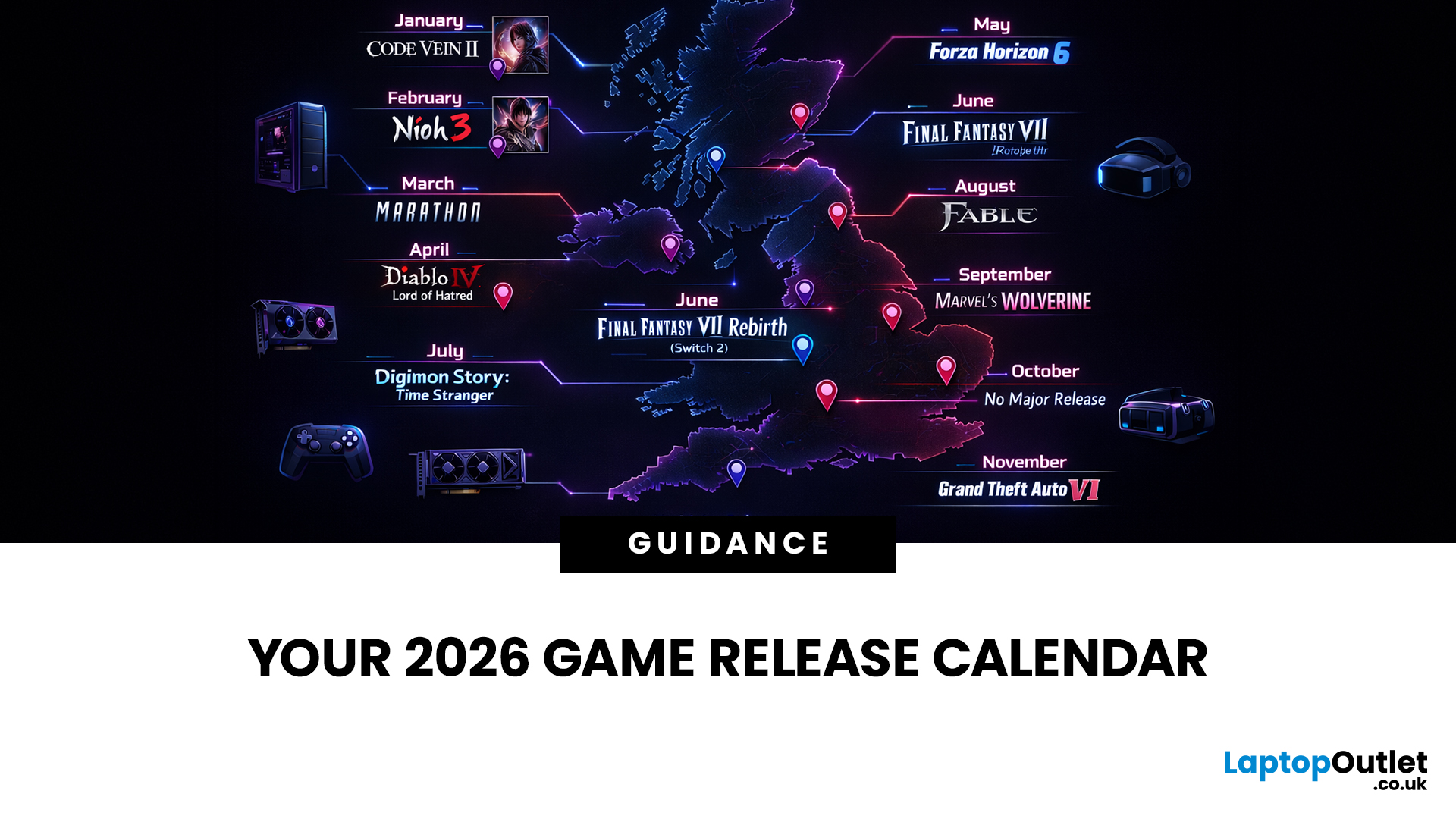



Stora Datorspelsl Ppen I Mars 2026 Players For Life Gaming News . 2026 Game Releases Full Upcoming Games Calendar Release Dates PS5 Game Releases Full Calendar Release Dates Main . Can You Play Steam Games On Xbox Consoles GAMES IN 2026 . Game Awards 2026 Game Of The Year 2026 Game Awards Game Of The Year .webp. Video Games 2026 Ones To Watch Part 1 Quest Daily 2026 Games Pt 1
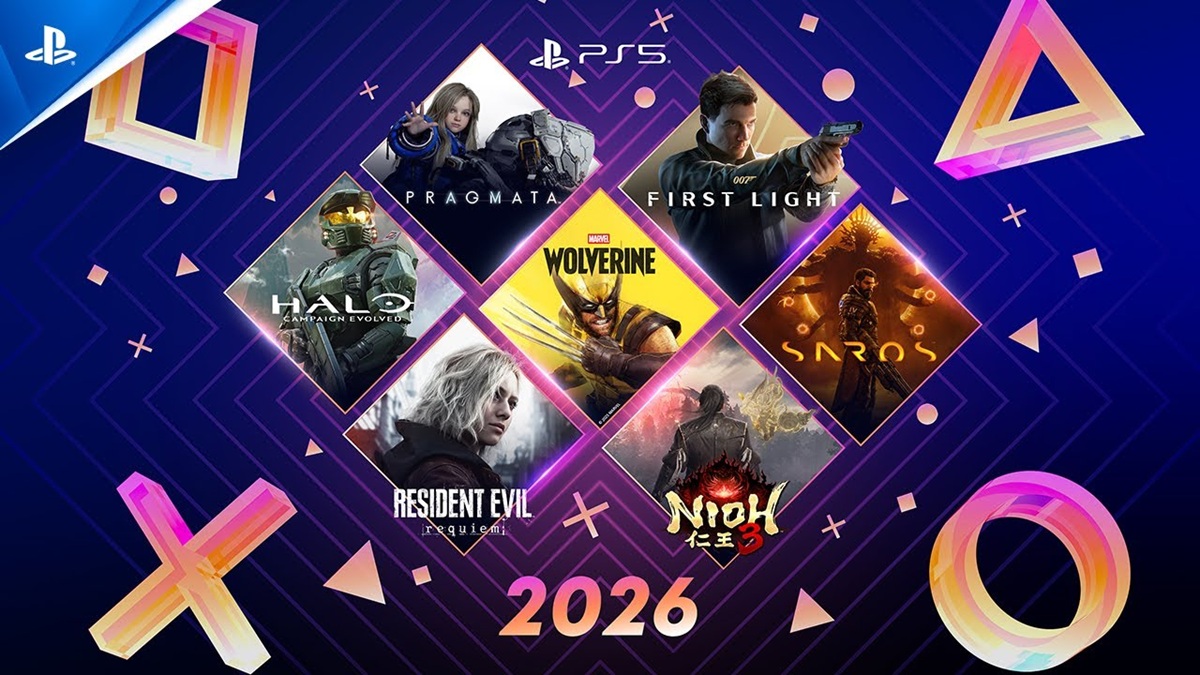


PS5 Players Getting 2026 Packed With Highly Anticipated Games Ps5 Games 2026 . Xbox Game Pass 2026 Shadow Drops And Surprise Releases Gamer Org Cinematic Xbox Series X S And Pc Gaming Ht Hd 780x435 . 5 Of The Best Windows 10 Collectible Card Games . The 12 Best FREE CARD Games 2023 For PC YouTube . UPDATED Xbox Game Pass February 2026 Schedule Of Confirmed Titles 1200x628 Xbox Confirm Feb 2026.webp

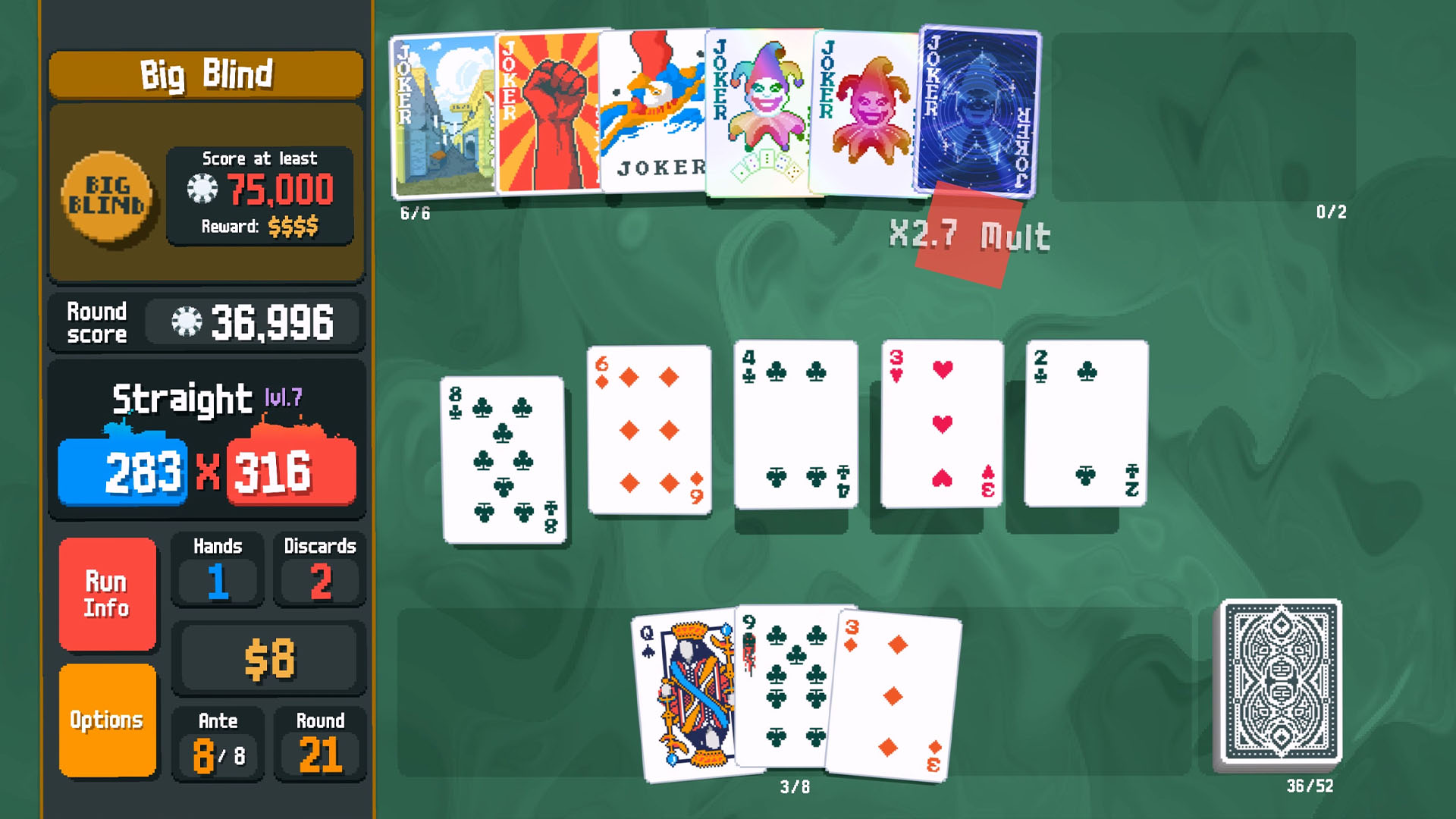

The Game Awards 2024 LIVE As It Happened Windows Central . Ended Evolution Cup 2026 Vol 1 EVENT Digimon Card Game Bnr . Games Online Daybreak Games Unleashes New Event Episode For DC Best Card Games Balatro . GUNDAM CARD GAME Store Tournament Kit 2026 Vol 1 English NEW SEALED Gundam Card Game Store Tournament Kit 2026.webp. FC 26 Ultimate Scream Promo And Paul Pogba SBC Guide GamesRadar




ONE PIECE CARD Game Store Tournament Kit 2026 Vol 1 English Sealed One Piece Card Game Store Tournament Kit 2026.webp. Video Games 2026 Ones To Watch Part 2 Quest Daily 2026 Games Pt 2 . 10 Best PC Games Of 2026 Ranked Gaming Net Best Card Battler 2025 1000x600 . 2026 Video Game Gaming Milestone List Cubed3 2026 Video Game Gaming Milestone List Insights Screenshot Art 14 1000x563 . Best Graphics Cards In 2026 I Ve Tested Pretty Much Every AMD And