Navigating the complex and often debated topic of whether violent video games cause real-world violence can be challenging for busy gamers. This comprehensive guide provides clear, evidence-based answers to common questions, cutting through the hype to offer a balanced perspective. For the average US gamer, around 36 years old, who balances work, family, and personal life, understanding the science behind this debate is crucial. We explore what current research truly says, debunk myths, and discuss how gaming intersects with mental well-being, social connections, and even skill development. Learn how to constructively approach conversations about gaming, manage screen time, and ensure gaming remains a positive, stress-relieving part of your life. We aim to equip you with the knowledge to make informed decisions and enjoy your passion responsibly, focusing on facts rather than sensationalism.
What is the scientific consensus on violent video games and real-world violence?
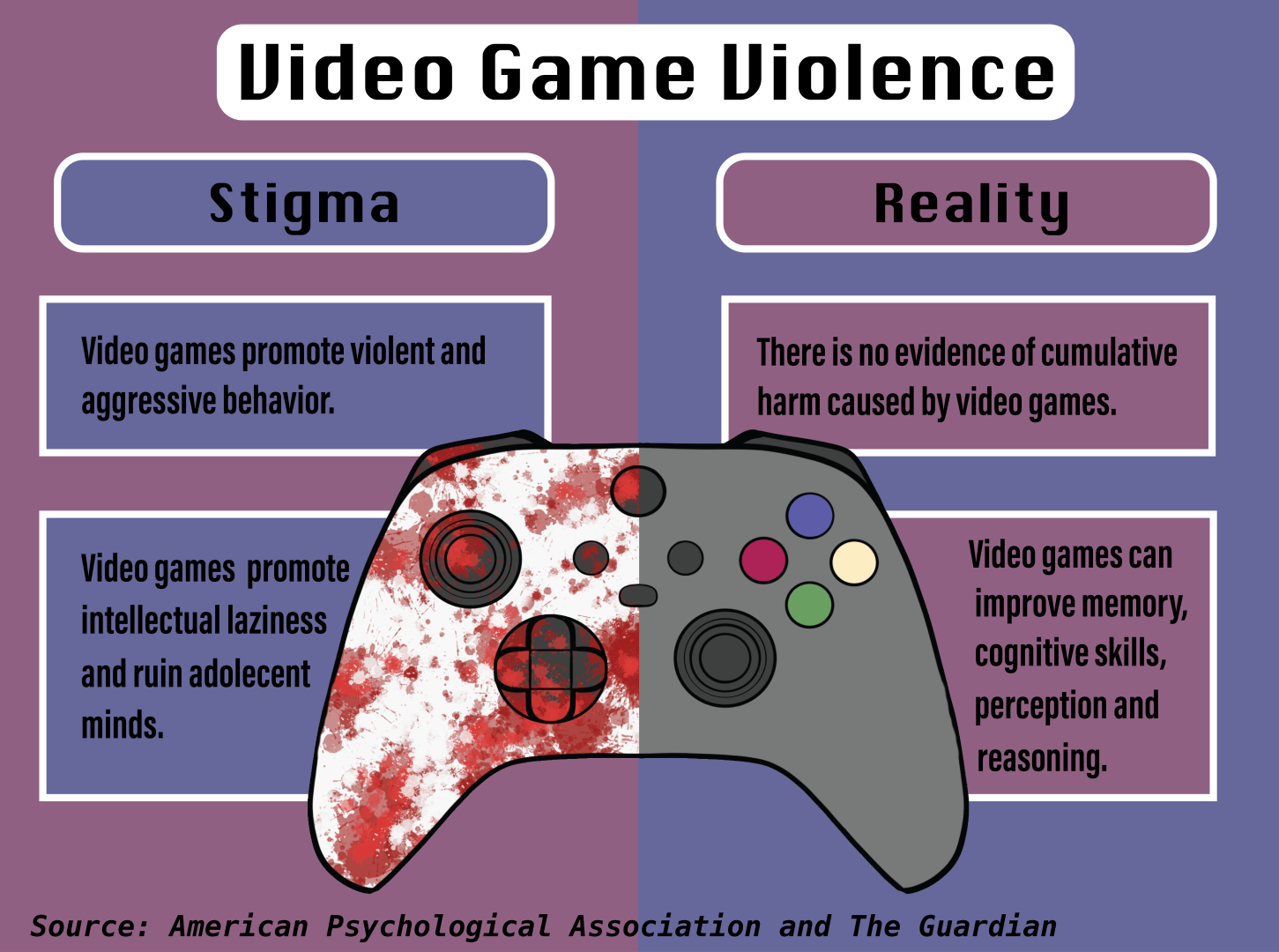
Despite ongoing public debate, most major scientific organizations and extensive research reviews have found no direct causal link between playing violent video games and committing real-world violent acts. Instead, studies suggest that aggression, if observed, is often temporary and influenced by numerous pre-existing factors like mental health, family environment, and social stressors. For busy gamers balancing life, understanding this nuance helps combat misinformation and supports a balanced perspective on their hobby.
Do violent video games make people more aggressive in everyday life?
While some studies indicate a transient, short-term increase in aggressive thoughts or feelings immediately after playing, this effect is generally mild and quickly dissipates. There is no consistent evidence to suggest that violent video games lead to sustained, real-world aggression or violence over time. Aggression is a complex human behavior influenced by many factors, with gaming rarely being a primary driver.
How do social factors and mental health impact the discussion of gaming and violence?
Social factors and mental health play a far more significant role in aggressive behavior than video games. Issues like family environment, peer pressure, socioeconomic status, and pre-existing mental health conditions are consistently identified by experts as primary predictors of violence. Gaming, for many, provides a positive social outlet and stress relief, potentially buffering against negative mental health impacts.
Are there any positive effects of playing video games, even violent ones?
Absolutely. Many video games, including those with violent themes, can enhance cognitive skills such as problem-solving, strategic thinking, reaction time, and spatial awareness. Multiplayer games foster teamwork, communication, and leadership. For adults, gaming can be a crucial source of stress relief, social connection, and a healthy way to unwind after a demanding day.
What are common misconceptions about the link between violent video games and violence?
A major misconception is the belief in a simple cause-and-effect relationship, often amplified by media sensationalism. Another is the generalization that all gamers are violent or socially isolated, which is debunked by the fact that 60% of US gamers are socially active within their games and communities. The complexity of human behavior is often oversimplified in public discourse.
How can parents manage children's exposure to violent video games effectively?
Effective management involves utilizing game ratings (ESRB in the US), co-playing with children, discussing game content openly, and setting clear boundaries on screen time. Focusing on individual child maturity and fostering critical thinking about in-game actions are more productive strategies than outright bans, promoting a balanced and informed approach to gaming.
Do video game rating systems accurately reflect potential harm?
Video game rating systems like ESRB in the US provide valuable guidance on content (violence, language, etc.) and age appropriateness. While not perfect, they are designed to help consumers make informed decisions. Parents should use these ratings as a primary tool, combined with personal judgment and knowledge of their child's temperament, to ensure games align with family values and developmental stages.
As busy US gamers, many of us around the age of 36, juggling careers, families, and personal commitments, we often turn to gaming for relaxation, fun, and connecting with friends. Yet, the persistent question, "do violent video games cause violence?" continues to surface, fueled by media headlines and public concern. It is a question that can make us feel defensive about a hobby we love, one that for 87% of regular US gamers, means playing 10+ hours a week, often for social connection and skill-building. But what does the science actually say, and how can we, as responsible adults, navigate this discussion with clarity and confidence?
This guide cuts through the noise to provide a factual, balanced perspective. We're here to empower you with the knowledge to understand the research, address common misconceptions, and ensure your gaming experience remains a positive force in your life. We'll explore the current scientific consensus, discuss the complex factors that truly influence behavior, and highlight the often-overlooked benefits of gaming. No hype, just practical, actionable insights for you, the modern gamer.
What Does Current Research Say About Violent Video Games and Aggression?
The overwhelming majority of scientific research and major psychological associations, including the American Psychological Association, conclude that there is no consistent, causal link between playing violent video games and committing real-world violence. While some studies might show a temporary increase in aggressive thoughts or feelings immediately after playing, this effect is often mild and dissipates quickly. Crucially, these short-term findings do not translate into long-term violent behavior. Researchers emphasize that human aggression is a complex phenomenon influenced by a multitude of factors, with video games playing a minor or non-existent role.
For gamers balancing busy lives, understanding this distinction is vital. It means that enjoying your favorite action game after a long day is unlikely to turn you into someone you are not. The focus should be on overall well-being and managing stress, rather than fearing a direct link from pixels to problematic actions.
Do Specific Game Genres Pose More Risk for Aggression?
When discussing if violent video games cause violence, it is tempting to point to certain genres, like first-person shooters or battle royales, as inherently more problematic. However, research does not specifically link any particular genre to an increased risk of real-world violence. The content within a game, rather than its genre label, is what researchers examine for short-term impacts. For example, some studies might look at the presence of gore or realistic violence. Yet, even in these cases, the consistent finding remains: temporary aggressive feelings are rarely a predictor of actual violent acts.
Many popular genres, including those with competitive elements, are actually celebrated for their ability to foster teamwork, strategic thinking, and quick decision-making. Mobile gaming, which dominates much of the US market, often features competitive, fast-paced action that, again, does not correlate with real-world aggression when examined scientifically.
How Do Social Factors and Mental Health Play a Role?
The discussion of whether violent video games cause violence often overlooks the much larger influence of social factors and mental health. Experts agree that individual predispositions, family environment, socio-economic status, peer groups, and existing mental health conditions (like depression or anxiety) are far more significant predictors of aggressive or violent behavior than media consumption. Gaming can sometimes be a coping mechanism for stress, but it's the underlying issues that need addressing, not the game itself.
For many US gamers, often connecting with friends through cross-play or Discord, online gaming is a social activity that actually *reduces* feelings of isolation. It is a vital outlet for stress relief and building community, which can be beneficial for mental well-being, especially for those balancing demanding jobs and family life.
Can Gaming Actually Build Positive Skills?
Absolutely! While the debate around "do violent video games cause violence" focuses on negatives, gaming offers a wealth of positive attributes. Games, including many with action elements, can significantly enhance problem-solving skills, hand-eye coordination, strategic thinking, and reaction time. Multiplayer games, a massive trend in 2026, especially social/cozy games and competitive esports, foster teamwork, communication, and leadership abilities. Many gamers report building strong online friendships that provide vital social support.
For adult gamers, these skills translate into real-world benefits. The ability to quickly analyze situations and make decisions under pressure, developed in a fast-paced game, can be invaluable in a professional setting. The social bonds forged online provide a sense of belonging and community, crucial for mental well-being in a sometimes isolating world.
What Are the Common Misconceptions About This Topic?
One of the biggest misconceptions regarding whether violent video games cause violence is the idea of a direct, simplistic cause-and-effect. Media often sensationalizes incidents, drawing quick conclusions without scientific backing. Another myth is that gamers are inherently more aggressive or socially isolated; recent stats show 60% of US gamers are active socially within their games. The reality is that gamers are diverse, much like any other segment of the population, and many are well-adjusted individuals who value the escape and challenge gaming provides.
It's also a misconception that all "violent" games are the same. A stylized fantasy game like Elden Ring differs vastly from a realistic military simulator in terms of psychological impact. Understanding these nuances helps us move past broad generalizations and focus on individual experiences and contexts.
How Can Parents and Gamers Approach This Discussion Constructively?
Open communication and education are key. For parents, understanding that the science does not support a causal link can alleviate undue fear. Instead of focusing on "do violent video games cause violence," discuss age ratings (ESRB in the US), monitor content, and engage in co-play. Talk about themes, appropriate behavior, and responsible gaming habits, like setting time limits. For gamers, especially those with families, being transparent about your gaming habits and educating non-gamers with facts can bridge understanding gaps.
Emphasize the positive aspects: stress relief, problem-solving, social connections. Share insights from your gaming experiences and invite family members to participate if they show interest. This approach fosters trust and mutual respect, turning a potential conflict into an opportunity for connection.
Are There Specific Age Recommendations for Violent Games?
Yes, age recommendations, such as those provided by the Entertainment Software Rating Board (ESRB) in the US, are designed to guide consumers on content appropriateness. These ratings (e.g., E for Everyone, T for Teen, M for Mature) consider factors like violence, language, and suggestive themes. They are a valuable tool for parents but should be used in conjunction with a child's individual maturity level and family values.
For adult gamers who are parents, these ratings are a first step. Beyond the rating, consider watching gameplay videos or trying the game yourself to get a feel for its content. The goal isn't just about avoiding "violence," but ensuring the game aligns with the emotional and developmental readiness of the player. Balances on budget for new games, along with content, helps parents make informed choices for their family.
What Role Does Moderation Play in a Healthy Gaming Lifestyle?
Moderation is paramount for any enjoyable activity, including gaming. While the science on "do violent video games cause violence" is clear, excessive gaming can still lead to negative outcomes like sleep deprivation, neglect of responsibilities, or strain on relationships. For the average US gamer who balances work and family, finding that sweet spot of 1-2 hours of gaming for relaxation after dinner, or a dedicated few hours on the weekend, is essential.
A healthy gaming lifestyle involves more than just content; it's about balance. Ensure you are getting enough sleep, maintaining physical activity, nurturing real-world relationships, and performing well at work or school. Gaming should complement your life, offering stress relief and fun, not become an escape that detracts from other important aspects. Many gamers find setting clear schedules or using in-game purchase limits helpful for maintaining balance.
FAQ Section
Here are some quick answers to frequently asked questions about video games and aggression:
Does playing violent games make someone a violent person?\nNo, major scientific organizations have found no direct causal link between playing violent video games and committing violent acts in the real world. Aggression is complex and multifaceted.
Are children more susceptible to negative effects from violent video games?\nChildren, especially younger ones, may be more prone to temporary aggressive thoughts or anxiety, but these effects are usually short-lived and do not predict future violence. Parental guidance and age-appropriate content are crucial.
Is there a difference between aggression and violence?\nYes, aggression refers to a range of behaviors that can result in physical or psychological harm to oneself, other people, or objects. Violence is a more extreme form of aggression involving physical force with the intent to injure or kill. Most research on video games focuses on milder forms of aggression.
Can gaming actually help with stress relief?\nFor many, especially adult gamers, video games serve as a valuable stress-relief tool, offering an escape, a sense of accomplishment, and a way to connect socially, positively impacting mental well-being when balanced with other life activities.
What's the best way to choose appropriate games for my family?\nUtilize ESRB ratings, read reviews, watch gameplay, and communicate openly with your family about game content and themes. This balanced approach helps ensure a positive gaming environment.
Do game developers have a responsibility regarding violent content?\nGame developers, like all media creators, have an ethical responsibility to consider the impact of their creations. Most adhere to rating systems and consumer guidelines, offering a wide range of content choices for diverse audiences.
Is esports participation linked to aggression?\nCompetitive esports, like traditional sports, can involve intense emotions and verbal aggression during play, but this is distinct from real-world violence. It's a structured competitive environment that fosters strategic thinking and teamwork, not a predictor of physical aggression outside the game.
In conclusion, the debate over whether violent video games cause violence is far more nuanced than sensational headlines suggest. For busy US gamers, often balancing countless responsibilities, understanding the scientific consensus is empowering. While moderation is always a wise choice for any activity, gaming offers immense benefits, from stress relief and social connection to skill development. Embrace your passion, stay informed, and enjoy the rich experiences gaming provides. What's your biggest gaming challenge? Comment below and let's tackle it together!
No direct causal link between violent video games and real-world violence found by most major scientific bodies. Aggression, if observed, is usually temporary and influenced by underlying factors. Gaming can offer positive benefits like problem-solving and social connection. Responsible gaming practices, including moderation and age-appropriate content, are key for a healthy lifestyle. Misconceptions often stem from sensationalized media rather than scientific research. Parents and gamers should engage in open discussions based on facts.
35


Do Video Games Make Kids Saints Or Psychopaths And Why Is It So Video Games Violence 2 . Video Games Are Not To Blame Trends On Twitter After Trump S Mass. Violent Video Games And Movies Causing Violent Behavior Psychology Today 143050 144358 . Violent Video Games And Young People Harvard Health Publishing Graph Showing Percentages Of Video Game Use Among . Game Over Trump Says Video Games Could Cause Real Deaths But Research Big Picture Video Games



No Dan Patrick Violent Video Games Don T Cause Violence Commentary 1200x0 . Do Violent Video Games Actually Make People More Violent Vox 145774214.0 . MU Research Finds Violent Video Games Increase Aggression 8c28973e 535a 4e8f 9891 . A Look Inside Video Games Do They Promote Violence The Reflector FINAL Min 1451x1080 . The Ethics Of Violence In Video Games What Are The Limits SDLC Corp Video Game Violence Research



Lesson Plan Researching A Connection Between Video Games And Violence SuperJumbo . Video Game Violence Statistics And Facts 2025 Video Game Violence Statistics. 7 References Blog Media Violence Video Game Violence . Do Video Games Cause Violence Embed . Do Violent Video Games Contribute To Youth Violence Infogram Mpliu3 1414462025



Video Games Violence Overview Causes Examples Video Study Com Ywqoqdt82f . Is There An Association Between Video Games And Aggression Science 5985 . Video Games Are Not The Cause For Violence By Krystal Uz9p0XdNdU . YouGov Gamers Less Worried About Violence In Video Games Effects Of Games3 . Do Video Games Make People Violent BBC News 85003362 Gettyimages 471941536



Violence In Video Games The ESA Esa In Game Violence Chart 1024x451 . YouGov Gamers Less Worried About Violence In Video Games Generation Gap 3 . Violent Video Games Tie To Physical Aggression Confirmed In Study Video Game Controller . Statistics Your Children And Video Games 8335253 . Violent Videogames Aren T Ruining Your Kids But It S Good To Discuss Social



Frontiers Potential Adverse Effects Of Violent Video Gaming Fpsyg 09 00736 G001 . Violent Video Games What Parents Need To Know Violent Video Gaming 2186 . Gamers Less Worried About Violence In Video Games Webp.webp. Do Video Games Make People Violent BBC News 78714278 A0db09f6 9820 456f 855a . 10 Most Violent Video Games CNN Business Mortal Kombat Video Game





Do Violent Games Cause Youth Violence By Cheryl Chung Infogram 2019402 . Do Video Games Cause Violence Expert Says Playing Violent Video Games Cbsn Fusion Are Video Games At Center Of Shooting Controversy Thumbnail 1906404 640x360 . Does Playing Violent Video Games Make People Violent SiOWfa16 Video Game Violence 1q3nz34 . Video Game Violence SiOWfa15 Science In Our World Certainty And Violent Video Games Poll . Do Video Games Cause Violence Another Dot In The Blogosphere 0