Are you a busy gamer looking for clear audio without a bulky headset? Many US gamers, averaging 36 years old and dedicating 10+ hours weekly to gaming, are seeking practical solutions to enhance their experience while balancing life. This comprehensive guide explores "can you use a lavalier mic for gaming" and offers actionable insights. Discover how these discreet microphones can elevate your voice communication, whether you're strategizing in a team, streaming to your community, or simply chatting with friends. We'll dive into setup specifics for PC and consoles, compare lavalier mics to traditional gaming headsets, and provide tips to optimize your audio for crystal-clear sound. Learn about budget-friendly options and practical advice to integrate a lavalier mic into your setup, ensuring you get great performance without breaking the bank or sacrificing comfort. Get ready to level up your audio game the smart way.
Can you game with a lavalier mic?
Yes, absolutely! Many gamers successfully use lavalier mics for clear communication. While traditionally used for broadcasting, these small, clip-on microphones are excellent for capturing your voice without the bulk of a headset, making them ideal for a clean setup or pairing with high-quality headphones. They integrate well with PCs and consoles, offering a discreet solution for in-game chat, Discord, or streaming.
Are lavalier mics good for gaming?
Yes, lavalier mics can be very good for gaming, especially for voice clarity. Their proximity to your mouth helps capture your voice directly, reducing ambient noise and providing a clearer sound than many integrated headset microphones. They are particularly beneficial for streamers, content creators, or gamers who prioritize comfort and want to use their own audiophile headphones for game audio.
How do I set up a lav mic for PC?
To set up a lav mic for PC, first connect it: a USB lav plugs directly into a USB port, while a 3.5mm TRRS lav often needs a Y-splitter if your PC has separate headphone and mic jacks. Then, go to your Windows Sound Settings, select the lavalier as your input device, and adjust the input volume. Finally, configure it in your game's or chat app's audio settings (e.g., Discord) to ensure it's selected and optimized.
Lavalier mic vs gaming headset mic, which is better?
Neither is definitively 'better'; it depends on your priorities. Gaming headset mics offer convenience and often aggressive noise cancellation. Lavalier mics typically provide superior voice clarity and comfort by freeing your head from a bulky headset, allowing you to use separate, high-quality headphones. If voice clarity and comfort are top priorities, a lavalier often wins; for all-in-one convenience, a headset is ideal.
What's the best cheap lavalier mic for gamers?
For a budget-friendly option, the Boya BY-M1 is highly regarded for its excellent value, offering surprisingly good audio quality for under $25 and broad compatibility. Other solid, affordable choices include the Purple Panda Lavalier and the FIFINE K053 USB lavalier (for PC-specific use). These provide a significant audio upgrade without a large investment, perfect for balancing gaming and budget.
What is a lavalier mic and why are gamers considering it?
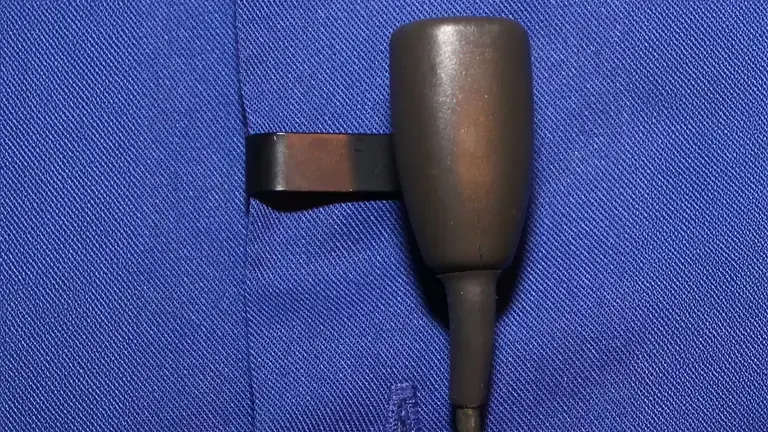
A lavalier microphone, also known as a lapel mic or clip-on mic, is a small, discreet microphone designed to be clipped to clothing, typically near the mouth. Gamers are increasingly considering them for their unobtrusive nature, clear audio, and the freedom they offer from bulky headsets, especially for streaming or when seeking a more comfortable setup for long gaming sessions. This trend aligns with many gamers seeking minimalist setups or those who already own a good pair of headphones and just need a separate, high-quality mic.
How does a lavalier mic connect to a gaming PC or console?
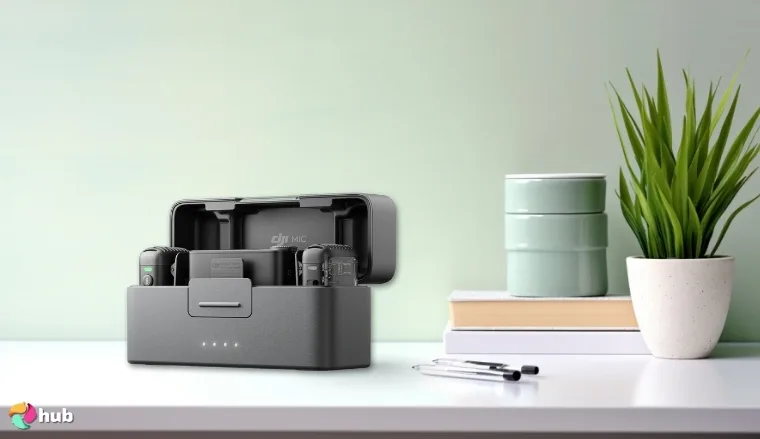
Connecting a lavalier mic to a gaming PC often involves a simple 3.5mm jack into the microphone input, though many modern lavs use USB for direct digital connection. For consoles like the PS5 or Xbox Series X/S, a 3.5mm mic typically plugs into the controller, or a USB adapter might be needed for certain models or higher-end setups. Nintendo Switch users can plug into the console's jack or a USB dock. Wireless lavalier systems often use a receiver that connects via USB or 3.5mm.
What audio quality can I expect from a lavalier mic compared to a gaming headset?
Lavalier microphones can offer surprisingly clear and natural audio, often superior to many entry-level or mid-range gaming headset mics. Their primary advantage is proximity to the sound source (your mouth), which helps capture your voice directly and reduce room echo. While gaming headset mics are optimized for convenience and noise cancellation in gaming environments, a good lavalier mic, especially when paired with quality headphones, can provide excellent voice clarity for communication with teammates or streaming audiences.
Are there any specific challenges when using a lavalier mic for competitive gaming?
Yes, some challenges exist. The main one is often the lack of built-in noise cancellation found in many gaming headsets, meaning a lavalier might pick up more keyboard clicks, mouse movements, or background room noise. Gamers might also miss the integrated controls (mute, volume) common on headset cables. However, these issues can often be mitigated with proper placement, software settings, and choosing a quality omnidirectional or cardioid lav.
Which type of lavalier mic is best for gaming: wired or wireless?
For most gamers, a wired lavalier mic is often the more straightforward and reliable choice. Wired connections generally offer lower latency, are simpler to set up, and don't require battery management, making them ideal for uninterrupted gaming sessions. Wireless lavaliers, while offering freedom of movement, can introduce potential interference, require charging, and are typically more expensive. If portability or physical freedom is a top priority, a high-quality 2.4GHz wireless system could be considered, but for pure performance and reliability, wired often wins.
Can a lavalier mic improve my streaming or content creation audio for gaming?
Absolutely. For streamers and content creators, especially those who prefer not to wear a bulky headset or want a cleaner on-screen look, a lavalier mic can be a game-changer. It provides clear, consistent audio directly from your voice, which is crucial for engaging viewers. When combined with good headphones, it allows for independent monitoring of game audio and chat, creating a professional-sounding broadcast without a large desk mic obstructing your view or webcam. Many top creators use lavaliers for interviews or mobile content.
What accessories or software are recommended for optimal lavalier mic performance in gaming?
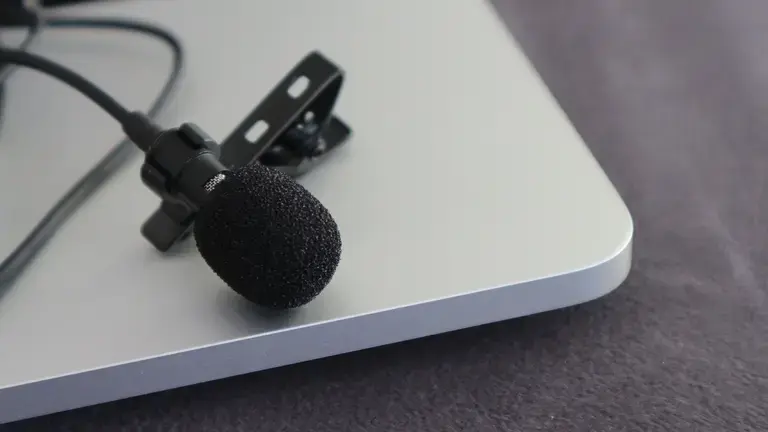
To get the best out of your lavalier mic for gaming, consider a few key accessories and software tools. A small wind muff or foam cover helps reduce plosives and breath noise. For 3.5mm mics on PC, a Y-splitter might be necessary if your computer has separate mic and headphone jacks. Software-wise, utilizing your operating system's sound settings for gain adjustment is essential. Advanced users might explore audio routing software like Voicemeeter Banana or OBS Studio's built-in noise gates and filters to further refine sound quality and eliminate background distractions, ensuring your voice cuts through clearly during intense gaming moments.
In the bustling world of modern gaming, where 87% of US adults game regularly, often for 10+ hours a week, finding that perfect balance between immersive play, crystal-clear communication, and real-life responsibilities is key. For many of us, the clunky gaming headset, while functional, can sometimes feel restrictive, especially after a long day at work or when you're just trying to unwind with friends in your favorite social game. We want to be heard clearly without feeling tethered or weighed down.
This often leads to a crucial question: can you use a lavalier mic for gaming? It’s a smart query. These small, clip-on microphones are staples in broadcasting and content creation for their discreet nature and excellent voice capture. But do they have a place in your gaming den, whether you're on PC, console, or even mobile? This article is your ultimate guide, designed for the savvy gamer who values performance, comfort, and smart spending. We'll cut through the hype and provide practical, no-nonsense answers to help you decide if a lavalier mic is the upgrade you've been looking for to enhance your gaming experience.
Can You Really Use a Lavalier Mic for Gaming?
Absolutely, yes! The short answer is a resounding yes, you absolutely can use a lavalier mic for gaming. While not traditionally marketed to gamers, these compact, clip-on microphones are surprisingly versatile and can offer distinct advantages, especially for those who prioritize comfort, a clean setup, or superior voice clarity over the all-in-one convenience of a gaming headset. Many gamers are already using high-quality headphones for superior audio immersion, and adding a separate lavalier mic can provide a dedicated, clear voice input without compromising on sound quality from their headphones. This setup is particularly popular among streamers and content creators who need professional-grade audio without a bulky microphone obstructing their face or desk.
The key lies in understanding their strengths and weaknesses and how to integrate them effectively into your gaming rig. With the right adapters and software adjustments, a lavalier mic can deliver excellent voice quality for team communication, Discord chats, or even streaming sessions, allowing your teammates and audience to hear you with remarkable clarity. It's a growing trend as gamers seek more personalized and ergonomic setups.
Why Would a Gamer Choose a Lavalier Over a Headset Mic?
Many gamers, especially adults balancing jobs and families, seek comfort and flexibility. A primary reason to choose a lavalier mic over a traditional gaming headset is comfort during extended play sessions. Headsets can become heavy and uncomfortable over time, leading to ear fatigue or pressure. A lavalier mic, being lightweight and clipped to clothing, frees your head entirely, allowing you to wear your favorite, most comfortable headphones – or even open-back audiophile headphones for superior soundstage – without the added bulk of a boom mic. This separation of audio input and output can significantly enhance overall comfort and immersion.
Another compelling reason is aesthetics and a cleaner setup. For streamers and content creators, a lavalier mic provides a much cleaner on-camera look compared to a large boom mic or headset. It's discreet and keeps your face clear. Furthermore, a lavalier can often offer superior voice isolation and clarity compared to many integrated headset mics, especially in the mid-range price bracket. By placing the microphone closer to your mouth, it minimizes the capture of ambient room noise, keyboard clicks, or mouse movements, ensuring your voice comes through crisp and clear to your teammates or audience. This is crucial for competitive play or engaging streams.
What Are the Downsides of Using a Lavalier Mic for Gaming?
While lavalier mics offer clear benefits, they do come with certain drawbacks that gamers should consider. One significant challenge is the potential for picking up unwanted sounds like clothing rustle or friction. Since the mic is clipped to your attire, any movement or rubbing against fabric can create distracting noise for your teammates or audience. Careful placement and a quality mic with good isolation are crucial to mitigate this.
Another common issue is the lack of integrated controls. Most gaming headsets feature convenient on-ear or in-line controls for volume adjustment and muting. Lavalier mics typically lack these, meaning you'll need to rely on software controls (like in Discord, your game, or your operating system) to manage your audio, which can be less intuitive in the heat of a game. Furthermore, lavalier mics might not offer the same level of aggressive noise cancellation as some dedicated gaming headset mics, which are specifically designed to filter out environmental sounds in noisy gaming setups. This means background noises like mechanical keyboard clicks or a nearby TV might be more noticeable without proper software processing.
How Do You Set Up a Lavalier Mic for PC Gaming?
Setting up a lavalier mic for PC gaming is generally straightforward but might require a small adapter depending on your mic and PC's ports. Here's a step-by-step guide:
- Identify Your Mic's Connector: Most lavalier mics come with either a 3.5mm TRRS (4-pole) jack, a 3.5mm TRS (3-pole) jack, or a USB-A connector. USB lavaliers are often the simplest, plugging directly into an available USB port.
- Check Your PC's Audio Ports:
- Single Headset Jack (TRRS): If your PC (especially laptops) has one combined 3.5mm port for both headphones and a mic, a 3.5mm TRRS lavalier can plug directly in.
- Separate Headphone and Mic Jacks (TRS): Most desktop PCs have separate green (headphone) and pink (microphone) 3.5mm ports. If your lavalier has a 3.5mm TRRS connector, you'll need a TRRS to TRS Y-splitter adapter to split the signal into separate headphone and microphone inputs. If your lavalier has a TRS (mic-only) connector, it plugs directly into the pink mic port.
- Connect the Mic: Plug your lavalier mic directly or via the appropriate adapter into your PC's mic input.
- Configure in Windows Settings:
- Go to 'Sound Settings' (right-click the speaker icon in the taskbar).
- Under 'Input', select your lavalier microphone from the dropdown menu. It might appear as 'Microphone (Realtek Audio)', 'USB PnP Sound Device', or similar.
- Adjust the 'Input volume' or 'Gain' slider to a suitable level.
- Use the 'Test your microphone' feature or speak into it to see the input level.
- Configure in Gaming/Chat Apps: Open your game's audio settings or your chat application (like Discord). Ensure your lavalier mic is selected as the default input device within these applications. Adjust individual app volume and sensitivity as needed.
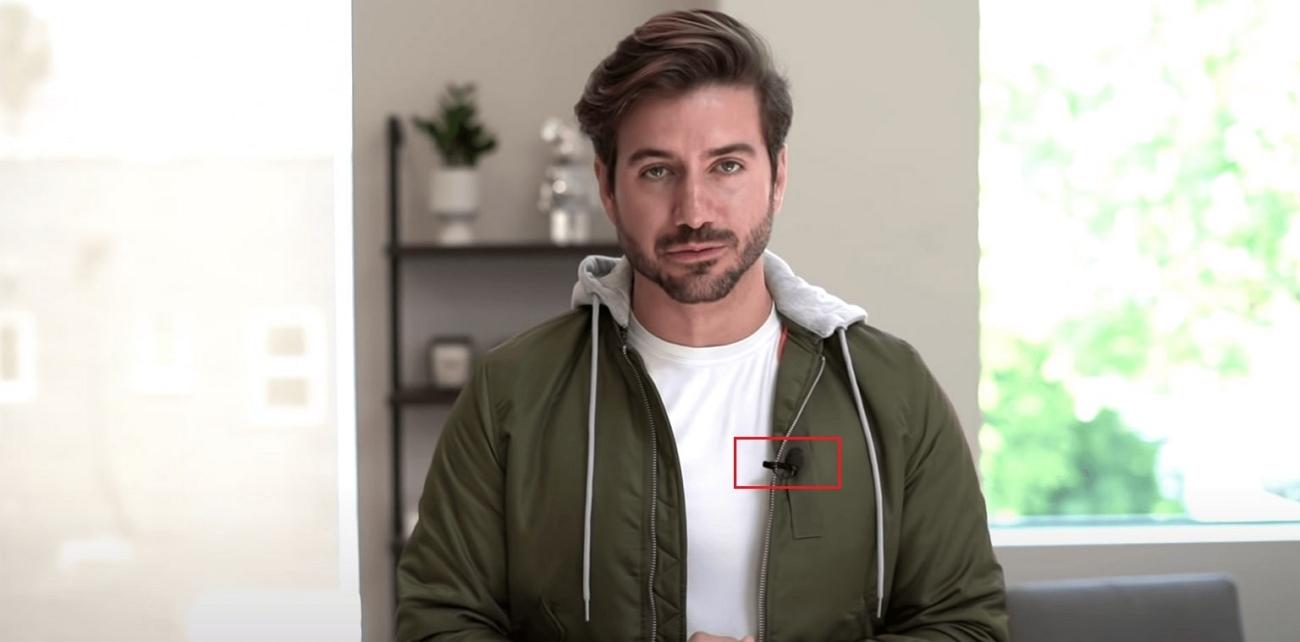
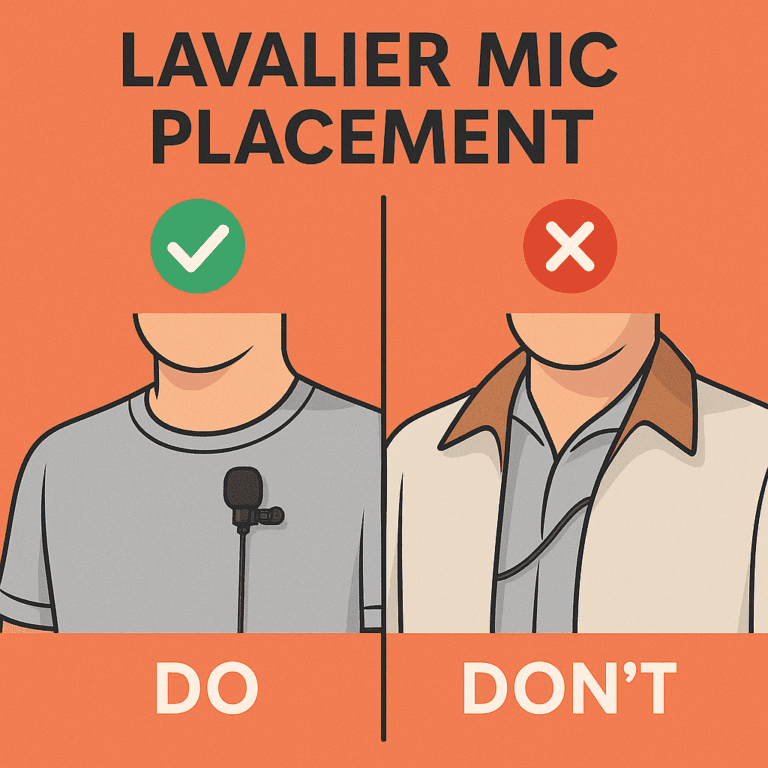
For optimal quality, ensure the mic is clipped about 6-8 inches from your mouth, ideally on your shirt collar, to minimize clothing noise and capture your voice clearly.
Can Lavalier Mics Work with Consoles (PS5, Xbox Series X/S, Switch)?
Yes, lavalier mics can absolutely work with modern gaming consoles, though the setup method can vary slightly depending on the console. This flexibility makes them a viable option for multi-platform gamers looking for a consistent audio solution.
PlayStation 5 and PlayStation 4: Both consoles' controllers feature a 3.5mm TRRS jack. Most lavalier microphones with a standard 3.5mm TRRS connector can plug directly into the controller. The console should automatically detect it as a microphone. You can then adjust the microphone level in the PS5 or PS4 system settings under 'Sound' > 'Microphone'.
Xbox Series X/S and Xbox One: Similar to PlayStation, Xbox controllers (newer models with a 3.5mm jack, or older ones with an adapter) can accept a 3.5mm TRRS lavalier mic. Plug it into the controller's 3.5mm port. You might need to adjust mic monitoring and volume levels through the Xbox Guide button > 'Audio & music'.
Nintendo Switch: The Nintendo Switch console itself has a 3.5mm audio jack, which can accept a 3.5mm TRRS lavalier mic for in-game voice chat (if supported by the game) or through the Nintendo Switch Online app on mobile. For docked mode, some USB lavalier mics or those connected via a USB audio adapter can work through the dock's USB ports.
For all consoles, ensuring the lavalier mic is a TRRS (4-pole) connector is crucial for combined audio input/output. If you have a TRS (3-pole) lavalier, you would typically need a USB audio adapter that explicitly supports external microphones for consoles. Wireless lavalier systems with a USB receiver are also an option for consoles that support USB audio input.
What Lavalier Mic Features Matter Most for Gamers?
When selecting a lavalier mic for gaming, several features are more important than others for delivering a solid audio experience:
Connectivity: For PC gamers, both 3.5mm and USB options are viable. USB lavaliers offer plug-and-play simplicity and often bypass potentially noisy onboard sound cards. For console gamers, a 3.5mm TRRS connector is usually essential for direct controller connection. Wireless options offer freedom but can introduce latency or interference.
Polar Pattern: Omnidirectional lavaliers (which pick up sound from all directions) are common and forgiving in placement. However, they might pick up more room noise. Cardioid lavaliers (which primarily pick up sound from the front) can offer better noise rejection but require more precise placement for consistent voice capture.
Cable Length: Consider your setup. If you sit far from your PC or console, or move around while gaming, a longer cable (6-10 feet) or a wireless solution is essential to avoid tension or accidental disconnection.
Included Accessories: A good lavalier should come with a foam windscreen to reduce plosives (harsh 'p' and 'b' sounds) and breath noise. A sturdy clip is also vital for secure attachment and minimizing clothing rustle.
Build Quality: Durability is important. Look for mics with robust cables and connectors that can withstand regular use. While budget options exist, investing a little more often means better longevity and sound quality.
Sampling Rate/Bit Depth (for USB): Higher sampling rates (e.g., 48kHz) and bit depths (e.g., 16-bit) generally indicate better audio fidelity, crucial for clear communication and streaming.
Prioritizing these features will help you find a lavalier mic that not only works for gaming but truly enhances your experience.
How Do Lavalier Mics Compare to Dedicated Gaming Headset Mics?
The choice between a lavalier mic and a dedicated gaming headset mic comes down to priorities. Gaming headset microphones are designed for convenience, offering an all-in-one solution with integrated audio output and input. They often feature proprietary noise-cancelling technology optimized for noisy gaming environments, such as filtering out mechanical keyboard clicks or background chatter. Many also come with easy-access mute buttons and volume controls directly on the earcups or cable, which is undeniably handy during intense gameplay.
However, the audio quality of headset mics can be variable, with many mid-range options sounding compressed or thin compared to dedicated microphones. This is where lavalier mics often shine. By separating the microphone from the headphones, lavaliers can focus solely on voice capture. Their proximity to the mouth generally results in clearer, more natural-sounding voice reproduction, reducing background echo and providing a richer tone. While they lack the integrated controls and aggressive noise cancellation of gaming headsets, a good lavalier, especially when paired with quality headphones, offers superior audio output and input flexibility. For streamers, the discreet profile of a lavalier is also a significant aesthetic advantage, providing a professional look without a bulky mic boom.
Are There Specific Games Where Lavalier Mics Shine?
Lavalier microphones truly shine in gaming scenarios where clear, consistent voice communication is paramount and where the discreet nature of the mic is an advantage. This includes a wide range of popular titles that emphasize teamwork, strategy, or social interaction, reflecting recent trends in social and cozy gaming. For instance:
Multiplayer Strategy Games (e.g., Valorant, Counter-Strike 2, Apex Legends): In competitive titles where precise callouts and team coordination are critical, a clear voice can be the difference between victory and defeat. A lavalier mic ensures your commands are heard distinctly.
Massively Multiplayer Online (MMO) Games (e.g., Final Fantasy XIV, World of Warcraft): Raiding, dungeon crawling, and guild activities in MMOs rely heavily on sustained communication. A comfortable lavalier setup allows for hours of clear chat without headset fatigue.
Social and Cozy Games (e.g., Among Us, Phasmophobia, Palia): These games often involve constant banter, role-playing, and cooperative problem-solving. A natural-sounding lavalier enhances the social aspect, making interactions more immersive and fun.
Streaming and Content Creation Games: For anyone streaming titles like Fortnite, League of Legends, or even single-player story games, a lavalier mic provides broadcast-quality audio for commentary without obscuring the streamer's face, a major plus for audience engagement and professionalism.
Cross-Platform Gaming: As mobile gaming and cross-play continue to grow, a versatile lavalier that can connect to various devices (PC, console, mobile) offers a consistent high-quality audio solution no matter where you play.
Essentially, any game where your voice is a key tool for communication, connection, or content creation will benefit from the clarity and comfort a lavalier mic provides.
Tips for Optimizing Your Lavalier Mic Audio for Gaming
Getting the best audio out of your lavalier mic for gaming requires a few optimization tricks. It's not just about plugging it in; it's about refining the sound to ensure maximum clarity and minimal distractions. Here’s how:
Optimal Placement is Key: Clip the lavalier about 6-8 inches from your mouth, usually on your shirt collar or lapel. This proximity helps capture your voice directly and minimizes room echo. Experiment with different spots; too close can cause plosives (harsh 'p' and 'b' sounds), too far and it picks up more ambient noise.
Use a Windscreen/Foam Cover: Most lavaliers come with a small foam windscreen. Always use it! It dramatically reduces plosives and breath sounds, making your voice sound smoother and more professional.
Adjust Gain (Input Volume) Carefully: In your PC's sound settings (or console's audio settings), adjust the microphone gain. Aim for a level where your voice is strong but doesn't peak into the red, indicating distortion. Too low, and you'll be barely audible; too high, and you'll sound distorted and noisy. A good practice is to speak at your normal gaming volume while checking the input meter.
Utilize Software Noise Gates and Filters: This is where you really combat background noise. Chat applications like Discord, streaming software like OBS Studio, and even some game clients offer built-in noise suppression, noise gates, and EQ filters.
- Noise Gate: A noise gate silences your mic below a certain volume threshold. This means it won't pick up subtle background hums or light keyboard clicks when you're not speaking. Set it carefully to avoid cutting off the beginning or end of your words.
- Noise Suppression: Algorithms like RNNoise in Discord or NVIDIA Broadcast can actively filter out constant background noise like fan hums or AC units.
- EQ (Equalization): You can use EQ to subtly boost frequencies where your voice shines and cut frequencies where unwanted sounds reside, though this is for more advanced users.
Minimize Environmental Noise: While software helps, good old-fashioned sound dampening works wonders. Close windows, minimize fan noise, and keep background conversations to a minimum if possible. This makes the job of your lavalier and noise filters much easier.
By following these tips, you can transform a basic lavalier into a powerful tool for clear gaming communication.
What are the Best Budget-Friendly Lavalier Mics for Gaming?
Investing in a high-quality gaming experience doesn't always mean breaking the bank. For gamers balancing budgets, several excellent budget-friendly lavalier mics offer impressive performance without a hefty price tag. These options prove that you don't need to splurge to achieve clear voice communication:
Rode SmartLav+ (approx. $60-80): While a bit pricier than some ultra-budget options, the SmartLav+ is a fantastic entry point for quality. It offers excellent audio, especially when paired with a good smartphone or an adapter for PC. Its robust build and clear sound make it a favorite for content creators and can easily translate to gaming.
Boya BY-M1 (approx. $15-25): This is a perennial favorite for its incredible value. The BY-M1 delivers surprisingly good audio for its price point and is widely compatible with smartphones, cameras, and PCs (often requiring a TRRS to TRS adapter for desktop computers). It's an omnidirectional mic, meaning it's good for general voice capture.
Purple Panda Lavalier Lapel Microphone (approx. $25-35): Often praised for its clear sound and generous accessory pack (including various adapters and extensions), the Purple Panda is another solid choice. It's designed for versatility across different devices, making it a reliable pick for PC, console (via controller), and mobile gaming.
FIFINE K053 USB Lavalier Microphone (approx. $20-30): For PC-only gamers who want true plug-and-play simplicity, the FIFINE K053 is a direct USB option. It bypasses your computer's potentially noisy onboard audio and often provides a cleaner digital signal. It's great for Discord and in-game chat without needing any extra adapters.
PowerDeWise Professional Grade Lavalier Microphone (approx. $20-30): This option often comes with a robust build, clear audio, and a good selection of adapters for wide compatibility. It's a popular choice for those needing a dependable clip-on mic for various recording needs, including gaming.
When choosing, consider your primary platform (PC, console, mobile), the type of connector you need (USB, 3.5mm TRRS), and if extra accessories like a long cable or adapters are included. All these options offer a significant upgrade over many integrated headset mics for a minimal investment.
How Can I Balance Gaming Performance with My Lifestyle Using Better Audio Gear?
Balancing a fulfilling gaming life with work, family, and other commitments is a reality for the average gamer today. The right audio gear, like a well-chosen lavalier mic, can significantly contribute to this balance by streamlining your setup and improving your overall experience without adding stress or complexity.
First, a lavalier frees you from bulky headsets, allowing you to use high-quality, comfortable headphones you might already own for work or music. This means less clutter, fewer specialized gadgets, and an immediate comfort boost for long sessions. You don't need a separate 'gaming headset' if your existing headphones are great. This aligns with a 'value for money' mindset, repurposing existing tech where possible.
Secondly, clear communication through a lavalier mic reduces frustration. There's nothing worse than struggling to be heard during a crucial in-game moment or having to repeat yourself on Discord. With a clear lavalier, you spend less time troubleshooting audio issues and more time enjoying your game and connecting with friends. This directly impacts the 'relaxation and fun' aspect that many adult gamers seek.
Finally, for those who dabble in streaming or content creation, a discreet lavalier provides a professional look without requiring a dedicated streaming desk mic. This makes it easier to transition between gaming for fun and broadcasting without a full hardware overhaul. It's about optimizing your setup to fit your life, not the other way around. By choosing smart, versatile gear, you can enhance your performance, deepen social connections, and maintain that crucial life-gaming balance.
FAQ Section
Here are some frequently asked questions about using lavalier microphones for gaming:
Is a USB lavalier mic better for gaming than 3.5mm?
For PC gaming, a USB lavalier mic often offers superior audio quality and simplicity. It bypasses your PC's onboard sound card, which can sometimes introduce noise, and provides a direct digital signal. A 3.5mm mic can be great too, but might require a quality Y-splitter for desktop PCs with separate audio jacks, and its performance can be influenced by your sound card.
Can I use a wireless lavalier mic for gaming?
Yes, you can use a wireless lavalier mic for gaming, especially those operating on 2.4GHz for lower latency. They offer ultimate freedom of movement, which is great for streamers or VR gamers. However, they are typically more expensive, require charging, and can sometimes be susceptible to interference, so choose a reputable brand.
How do I reduce background noise with a lavalier mic?
To reduce background noise, place your lavalier mic optimally (6-8 inches from your mouth), use a foam windscreen, and most importantly, utilize software noise gates and suppression. Discord, OBS Studio, and even some sound card drivers offer excellent built-in features to filter out keyboard clicks, fan noise, and room hum.
Are lavalier mics good for streaming on Twitch?
Lavalier mics are excellent for streaming on Twitch, especially for streamers who prefer a minimalist setup or want their face unobstructed by a boom mic. They provide clear, professional-sounding voice audio, which is crucial for viewer engagement. Paired with good headphones, they offer a broadcast-ready audio solution without the bulk.
What is the ideal placement for a lavalier mic when gaming?
The ideal placement for a lavalier mic when gaming is typically clipped to your shirt collar, about 6 to 8 inches below your chin. This proximity ensures your voice is captured clearly while minimizing the pickup of ambient room noise and keyboard sounds. Experiment slightly to find the sweet spot that reduces clothing rustle.
Do I need special software for a lavalier mic on PC?
No, you generally don't need special software just to make a lavalier mic work on PC; Windows will recognize it. However, to optimize its performance, software like Discord, OBS Studio, or your sound card's control panel (e.g., Realtek Audio Console) can provide essential features like gain control, noise gates, and noise suppression that significantly enhance audio quality for gaming.
Choosing the right audio gear, like a well-integrated lavalier mic, can truly transform your gaming experience, making communication clearer and your setup more comfortable. Don't let a bulky headset hold you back from peak performance or enjoyable social sessions. What's your biggest gaming audio challenge? Comment below!
Yes, lavalier mics can be effectively used for gaming. They offer discreet audio capture and comfort, freeing you from bulky headsets. Setup involves connecting via 3.5mm or USB to PC or console. While they excel in voice clarity, potential downsides include background noise pickup and lack of integrated controls. Optimizing audio requires proper placement and software adjustments. They are great for streamers, content creators, and gamers prioritizing a clean setup and superior voice quality.
35

Best Lavalier Microphone 9 Picks For Every Budget In 2026 Best Lavalier Microphone 768x430 . Best Lavalier Microphone 9 Picks For Every Budget In 2026 Rode Lavalier Go Best Lavalier Microphone . Best Lavalier Microphone 9 Picks For Every Budget In 2026 Dji Mic 2 Best Lavalier Microphone . Mic Lavalier For Gaming At Landon Artis Blog Dji Cp Rn 00000331 01 Dji Lavalier Mic 1800670 . Best Lavalier Microphone 9 Picks For Every Budget In 2026 RODE Lavalier GO Best Lavalier Microphone For
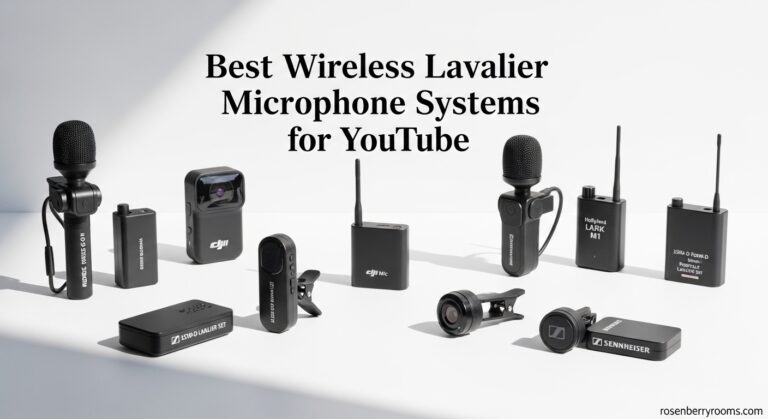
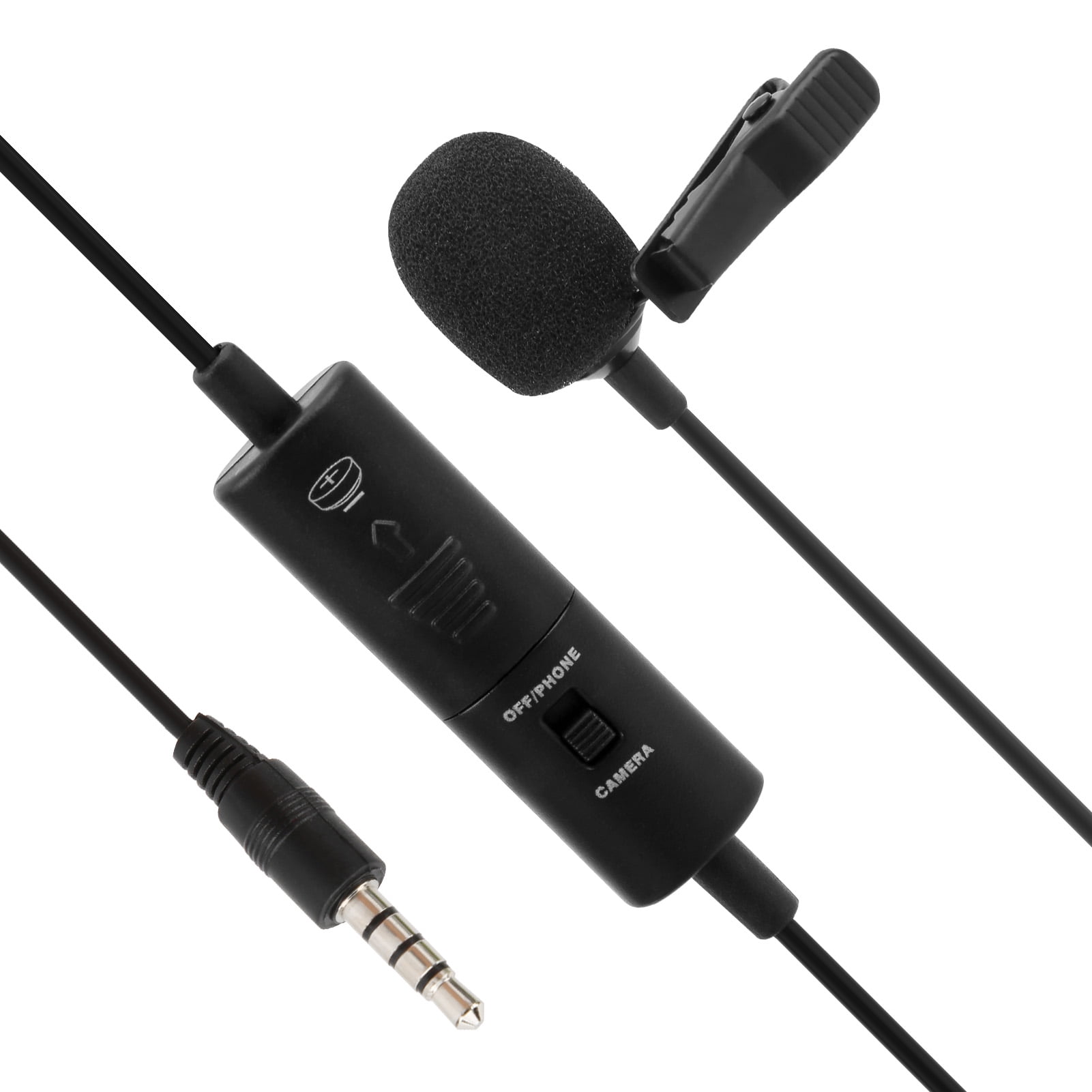
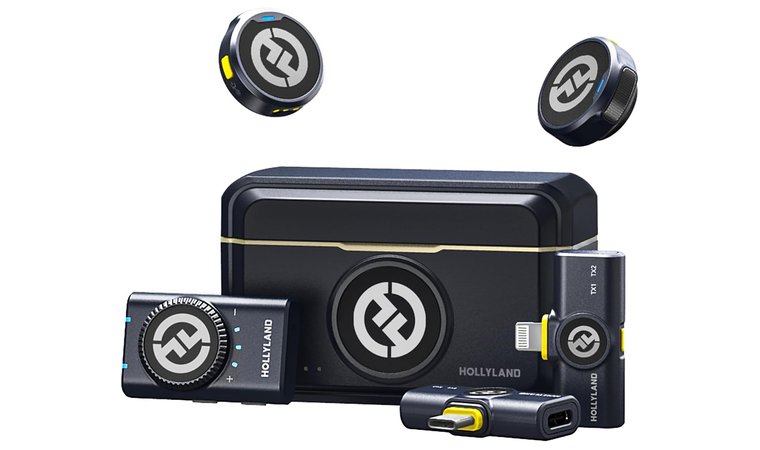


10 Best Wireless Lavalier Microphone Systems For YouTube March 2026 Best Wireless Lavalier Microphone Systems For YouTube 768x419 . Mic Lavalier For Gaming At Landon Artis Blog B1692956 4a59 4e20 Af83 . Best Lavalier Microphone 9 Picks For Every Budget In 2026 Hollyland Lark M2 Best Lavalier Microphone . 15 Best Lavalier Mics For Smartphones In 2026 Clear Sound On The Go Top Smartphone Lavalier Microphones Jr6s4 . Mic Lavalier For Gaming At Landon Artis Blog New Wireless Lavalier Microphone Portable Audio Video Recording Mini Mic For Phone Android Live Broadcast Gaming Phone Mic

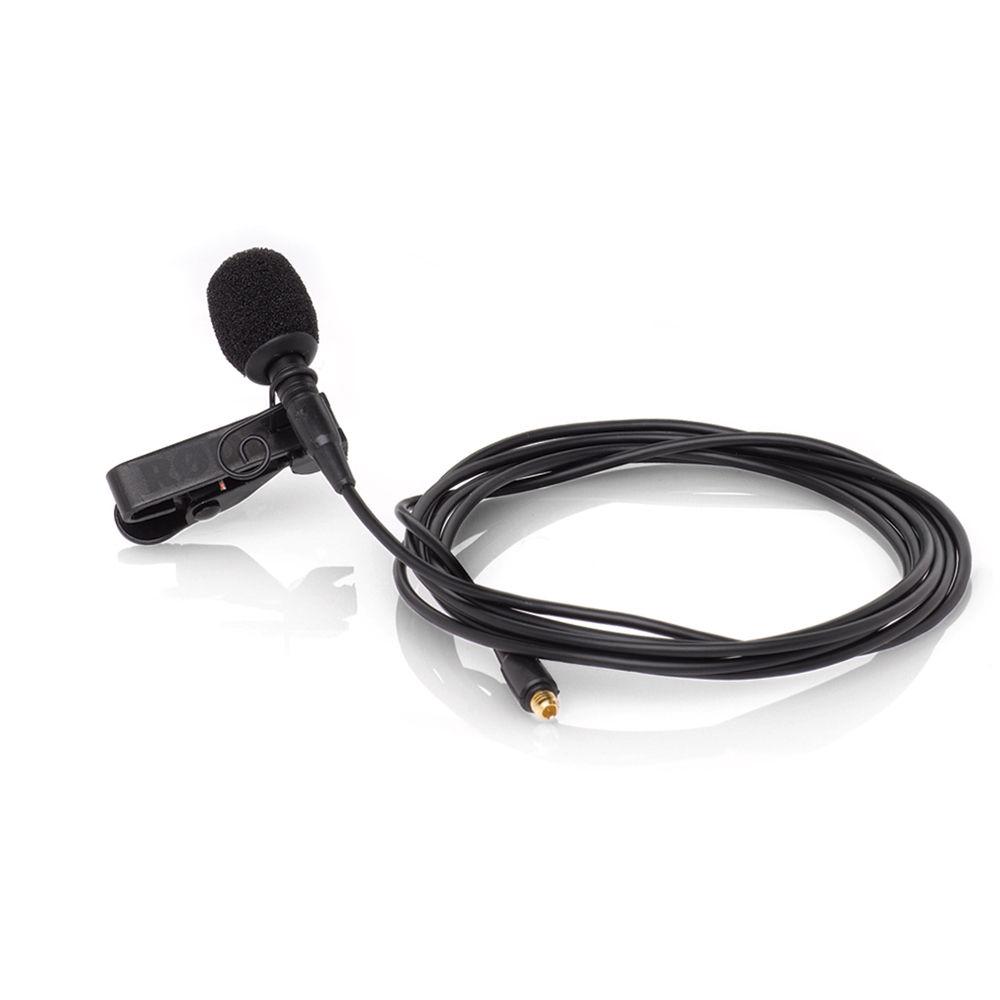


How To Use A Lavalier Microphone A Guide Hollyland Image 127 . How To Use A Lavalier Microphone A Guide Hollyland Image 116 . 7 Top Lavalier Microphones For Every Budget And Use Case In 2026 L Best Lavalier. 10 Best Lavalier Microphones For Audio Recording 2026 61s 6L0yU0L . Best Lavalier Microphones 2026 What Actually Works On A Real Film Set Ultimate Guide To Lavalier Microphones Lapel Mics



7 Top Lavalier Microphones For Every Budget And Use Case In 2026 Best Lavalier Mics 2 L.webp. How To Use A Lavalier Microphone A Guide Hollyland Image 117 . Best Lavalier Microphones 2026 What Actually Works On A Real Film Set Ultimate Guide To Lavalier Microphones Lapel Mics Copy . Best Lavalier Microphone 9 Picks For Every Budget In 2026 DJI Mic 2 Best Wireless Lavalier Microphone .webp. How To Use A Lavalier Microphone A Guide Hollyland Image 125



Best Lavalier Microphones 2026 What Actually Works On A Real Film Set Lavalier . 7 Top Lavalier Microphones For Every Budget And Use Case In 2026 Best Lavalier Mics 1 L.webp. How To Use A Lavalier Microphone A Guide Hollyland Image 123 . 10 Best Lavalier Microphones For Audio Recording 2026 6181N8ZKgtL . What S A Lavalier Microphone And How To Use It 881588 780x470



How To Use A Lavalier Microphone A Guide Hollyland Image 119 . Best Lavalier Microphone 9 Picks For Every Budget In 2026 Olympus ME 52W Best Entry Level Lavalier. How To Use A Lavalier Microphone A Guide Hollyland Image 121 . 15 Best Wireless Lavalier Microphone Systems For 2026 Digitech Bytes Top Wireless Lavalier Microphones W0f30 . 2026 Mic Check Best Lavalier Microphones For Creators And Pros North Town MA Services 9 1024x512

15 Best Lavalier Mics For Filmmaking In 2026 StrongMocha Top Lavalier Mics 2026 Nomca . 7 Top Lavalier Microphones For Every Budget And Use Case In 2026 Rode Rodelink Lav Locking Lavalier Microphone 00 Xl . Best Lavalier Microphone TruTech Review 1 . What Is A Lavalier Mic Use Cases And Pros Cons AudioPhilly Lavalier Microphone Placement 768x768 . 15 Best Wireless Lavalier Mics For Video In 2026 Top Picks For Clearer Top Wireless Lavalier Microphones Xy6na