Are you wondering how you can play Minecraft on cloud gaming services in 2026? This comprehensive guide explores all the current and upcoming options for streaming your favorite blocky adventure. We cover everything from Xbox Cloud Gaming to alternative platforms, ensuring you can dig, build, and explore across any device. Discover the benefits of skipping downloads, reducing local hardware strain, and accessing your worlds seamlessly. We delve into settings optimization, ping management, and effective stuttering fixes to ensure a smooth gameplay experience. Whether you are a beginner or a seasoned player, this information will help you leverage cloud technology. Get ready to enjoy Minecraft's endless possibilities from almost anywhere.
Related games- Guide Can It Run Roblox Performance Tips for Gamers
- Guide to Today's Aggie Game Time & Viewing
- How to Maximize Free Games for Windows 2026 Guide
- How to Master Man and Jonkler Duo in Gaming 2026
- Guide to Handheld PC Gaming Consoles 2026
can you play minecraft on cloud gaming FAQ 2026 - 50+ Most Asked Questions Answered (Tips, Trick, Guide, How to, Bugs, Builds, Endgame)
Welcome to the ultimate living FAQ for playing Minecraft on cloud gaming platforms in 2026! This guide is meticulously updated to cover the latest patches, service offerings, and optimization tricks, ensuring you get the best possible block-building and adventuring experience. Cloud gaming has revolutionized how we access our favorite titles, making Minecraft more accessible than ever before. Whether you're battling the Ender Dragon from your tablet, constructing intricate redstone contraptions on a smart TV, or exploring vast worlds on a low-end laptop, this FAQ will address every burning question. From beginner inquiries to advanced optimization strategies and troubleshooting common bugs, we’ve got you covered. Dive in and unlock the full potential of cloud-streamed Minecraft!
Beginner Questions
Can I play Minecraft for free on cloud gaming services in 2026?
Generally, playing Minecraft on cloud gaming requires a subscription to a service like Xbox Game Pass Ultimate or a premium tier for platforms like GeForce Now. While some services offer free trials, a free-to-play option for extended gameplay is rare. Tip: Check for promotional bundles or free trial periods to test services.
What internet speed is recommended for smooth Minecraft cloud gaming?
For a smooth experience, a stable internet connection with at least 20-30 Mbps download speed is recommended for Minecraft cloud gaming. More importantly, prioritize a low ping (under 50ms) and a wired Ethernet connection to minimize latency and stuttering. Trick: Use an online speed test to verify your connection quality.
Do I need a powerful computer to play Minecraft on the cloud?
No, one of the biggest advantages of cloud gaming is that you don't need a powerful computer. Your device only needs to be capable of streaming video and processing input. Even a basic laptop, tablet, or smartphone from the last few years should work perfectly. Guide: Focus on your internet connection quality, not your local device specs.
Is Minecraft on cloud gaming cross-platform compatible with friends?
Yes, if you're playing Minecraft Bedrock Edition through Xbox Cloud Gaming, you can typically play with friends across other Bedrock platforms like PC, Xbox, PlayStation, and Switch. For Java Edition via services like GeForce Now, you'll connect to standard Java servers. Tip: Ensure everyone is on the same Minecraft edition (Bedrock or Java) for seamless multiplayer.
Builds & Classes
Can I access my existing Minecraft builds and worlds on cloud platforms?
Yes, typically your existing Minecraft worlds and builds associated with your Microsoft account (for Bedrock Edition) or your Mojang/Microsoft account (for Java Edition on platforms like GeForce Now) will be accessible. Your save data is usually cloud-synced or directly linked to your game ownership. Trick: Always ensure your local game saves are properly synced before switching platforms.
Are there any limitations on complex Redstone builds with cloud gaming?
There are generally no inherent limitations on complex Redstone builds from the cloud gaming service's side. The server hardware is powerful. However, high-latency connections could make precise timing difficult, potentially causing glitches if your ping is too high. Guide: Test your Redstone contraptions on a stable connection first.
Multiplayer Issues
Why do I experience lag specifically in multiplayer Minecraft on the cloud?
Multiplayer lag on cloud gaming often stems from a combination of your internet connection's ping to the cloud server and the cloud server's ping to the game server. It creates a double-latency effect. Heavy network traffic on your local network or a distant cloud server location can exacerbate this. Fix: Try a wired connection, choose the closest cloud server region, and minimize other household internet usage.
Can I host my own Minecraft server while playing on a cloud gaming service?
No, cloud gaming services primarily stream the game client to you; they don't provide server hosting capabilities for you to run your own dedicated Minecraft server. If you want to host a server, you'd typically need to set it up on a local machine or a separate dedicated server hosting service. Tip: Consider joining existing public servers or Realms for easy multiplayer access.
Endgame Grind
Will cloud gaming affect my ability to do speedruns or precision challenges in Minecraft?
Myth vs Reality: While cloud gaming has significantly improved, the inherent latency, however minimal, can affect highly precision-dependent activities like speedruns, complex PvP, or tricky parkour. Reality: For most players, it's fine, but competitive speedrunners might find the imperceptible delay a disadvantage compared to local play. Tip: Practice extensively to adapt to the minor latency if you plan competitive endeavors.
How does cloud gaming handle resource-intensive endgame farms?
Cloud gaming services are generally robust enough to handle resource-intensive endgame farms in Minecraft. The game runs on powerful server hardware designed for demanding applications. Performance issues are more likely to stem from your internet connection quality rather than the cloud server's processing power. Guide: Optimize your local network for best results, as the server usually won't bottleneck.
Bugs & Fixes
I'm experiencing stuttering and frame drops on cloud Minecraft. How can I fix this?
Stuttering and frame drops typically indicate network instability or insufficient bandwidth. Fix: First, switch to a wired Ethernet connection. Reduce in-game graphic settings like render distance and fancy visuals. Ensure no other devices are hogging bandwidth on your network. Check your cloud service's server status for any regional issues. Trick: Close all background applications on your local device.
Myth vs Reality: Cloud gaming always introduces game-breaking bugs in Minecraft.
Myth vs Reality: This is largely a myth. Reality: Cloud gaming services stream the exact same game client you'd run locally. Bugs experienced are usually game-specific, not introduced by the cloud platform itself. Performance issues like lag or visual artifacts due to network problems are sometimes mistaken for 'bugs.' Fix: Report actual game bugs to Mojang, and connectivity issues to your cloud provider.
Cost & Subscriptions
What are the typical subscription costs for playing Minecraft on cloud gaming platforms?
In 2026, costs vary. Xbox Cloud Gaming requires an Xbox Game Pass Ultimate subscription, typically around $15-17 USD per month, which includes Minecraft Bedrock Edition and a large game library. Nvidia GeForce Now has various tiers, including a free tier with limited session lengths and premium tiers starting around $10-20 USD monthly for extended play and better hardware. Guide: Compare the offerings and pricing based on your usage needs.
Can I use my existing Minecraft purchase with any cloud gaming service?
Not necessarily with *any* service. Your Minecraft Bedrock purchase is usually tied to your Microsoft account and works seamlessly with Xbox Cloud Gaming. For Java Edition, services like GeForce Now allow you to stream the game you already own on platforms like the Minecraft Launcher or Steam. You generally cannot bring a Bedrock purchase to a Java-only streaming service, or vice versa. Trick: Always verify platform compatibility.
Future of Cloud Minecraft
What advancements can we expect for cloud Minecraft in the next few years (beyond 2026)?
Beyond 2026, expect even lower latency with 5G and 6G integration, making mobile cloud Minecraft virtually indistinguishable from local play. Enhanced server hardware will enable higher resolutions and more consistent frame rates, even for modded experiences. Deeper integration with AI-powered upscaling and compression will further improve visual quality and reduce bandwidth needs. Guide: Look for more regional servers and platform-agnostic integrations.
Myth vs Reality
Myth vs Reality: Cloud gaming means I can instantly play all Minecraft versions, including mods, anywhere.
Myth vs Reality: This is partially a myth. Reality: While cloud gaming offers great accessibility, specific services support specific Minecraft editions (e.g., Xbox Cloud Gaming for Bedrock, GeForce Now for Java). Mod support is also often limited to services like GeForce Now where you stream your own PC game. Instant access is true, but version and mod compatibility vary. Guide: Research which service supports your preferred Minecraft version and modding needs.
Myth vs Reality: Cloud gaming is always more expensive than owning a gaming PC for Minecraft.
Myth vs Reality: This is largely a myth in the long run. Reality: While there's a monthly subscription, the upfront cost of a powerful gaming PC capable of running Minecraft at high settings is far greater. Cloud gaming eliminates hardware upgrade cycles. For many casual or budget-conscious players, cloud gaming is a significantly more affordable option over several years. Tip: Calculate your total cost of ownership over 3-5 years.
Myth vs Reality: Cloud gaming means I never have to worry about game updates or storage space.
Myth vs Reality: This is mostly a reality! Cloud gaming services manage all game updates and storage on their servers. You don't need to download patches or worry about your local drive space filling up with game files. This is a huge convenience factor for many players. Trick: Enjoy the instant access without the hassle of maintenance!
Advanced Tips & Tricks
How can I reduce visual artifacts or pixelation when streaming Minecraft?
Visual artifacts or pixelation often point to a struggling internet connection or insufficient bandwidth. Fix: Ensure you're on a wired connection. Reduce your in-game resolution or graphical settings (like render distance) to lighten the stream's load. Try selecting a closer cloud server region. If your cloud service offers quality settings, choose 'balanced' or 'lower bandwidth' options. Tip: Check your local device's hardware acceleration for video decoding is enabled.
Are there specific network hardware recommendations for serious cloud Minecraft players?
For serious cloud Minecraft players, investing in a high-quality Wi-Fi 6 (or Wi-Fi 7) router is beneficial if wired isn't an option. Look for routers with strong QoS (Quality of Service) features to prioritize gaming traffic. A multi-gigabit Ethernet connection to your modem and router can also future-proof your setup. Guide: Consider a gaming-specific mesh Wi-Fi system for larger homes.
Still have questions? Check out our other popular guides on Minecraft Redstone Engineering for Beginners or Building the Ultimate Survival Base in Minecraft for more expert insights!
Can you truly play Minecraft on cloud gaming in 2026 and have a fantastic experience? This is a question many gamers are asking as technology advances rapidly. The dream of jumping into your blocky worlds without needing a powerful local PC or console is becoming a robust reality. Cloud gaming transforms how we interact with our favorite titles, and Minecraft, with its universal appeal, is at the forefront of this evolution. Imagine exploring massive landscapes, battling creepers, or constructing elaborate builds from any screen, anywhere, with just an internet connection. No more worrying about hardware upgrades or lengthy downloads. It sounds almost too good to be true, but the future is here.
Today's cloud gaming platforms are more powerful and accessible than ever before. They offer a gateway to high-fidelity gaming on devices that traditionally couldn't handle such intensive applications. We are talking about playing full-fledged Minecraft on a tablet, a smart TV, or even a low-end laptop. This shift fundamentally changes the gaming landscape for millions. Let's dive deep into how you can make this dream a reality and what you need to know to get the best out of your cloud-streamed Minecraft adventures.
The Rise of Cloud Gaming for Minecraft Enthusiasts
Cloud gaming services have matured significantly by 2026, offering impressive stability and graphical fidelity. These platforms run games on remote servers and stream the video feed to your device. This process means your device only needs to decode a video stream and send your input back. It's an elegant solution for gamers wanting portability and flexibility. Minecraft, being a popular title, is a prime candidate for these services. Its broad player base and varied system requirements make it an excellent fit for cloud streaming. Several major players now offer Minecraft, each with unique advantages for different types of players.
Key Cloud Gaming Platforms Supporting Minecraft in 2026
Several services now reliably offer Minecraft, each tailored to different user needs. Xbox Cloud Gaming (part of Xbox Game Pass Ultimate) remains a dominant force, seamlessly integrating Minecraft into its robust library. Nvidia GeForce Now allows you to stream your own PC games, including Minecraft Java Edition. Other platforms like Amazon Luna are also expanding their offerings. Each platform boasts different features regarding resolution, latency, and device compatibility. Choosing the right one often depends on your existing game library and subscription preferences. You will want to evaluate subscription costs and regional server availability carefully before committing to a service.
Optimizing Your Cloud Gaming Experience for Minecraft
Achieving optimal performance in cloud gaming Minecraft isn't just about a fast internet connection. Settings optimization plays a critical role in mitigating issues like ping spikes, FPS drop, and frustrating stuttering fix scenarios. Adjusting in-game graphics settings, even slightly, can significantly impact your streamed experience. Lowering render distance, disabling fancy graphics, and simplifying textures can reduce the bandwidth needed. This helps keep your connection stable and your frames per second high. Furthermore, ensuring your local network is clear of congestion is crucial for consistent performance.
- Wired Connection A stable Ethernet connection almost always outperforms Wi-Fi for cloud gaming.
- Router Placement Keep your router in an open area, close to your gaming device if using Wi-Fi.
- Reduce Network Traffic Pause downloads and streaming on other devices while you play.
- Server Proximity Choose a cloud server geographically closer to you to minimize ping.
- In-Game Settings Start with lower graphics settings and gradually increase them to find your sweet spot.
By focusing on these practical tips, beginners and even pro players can enhance their cloud gaming sessions. Don't let initial lag or FPS drop discourage you; many common issues have straightforward solutions. Investing a little time into your setup can make a world of difference for your virtual adventures.
Q&A with Your Senior AI Engineering Mentor
Beginner / Core Concepts
1. Q: What exactly is cloud gaming for Minecraft, and how does it even work?
A: Oh, this one confuses so many people, and I totally get why! Think of cloud gaming like Netflix for games. Instead of downloading and running Minecraft on your computer, a super-powerful server far away runs it for you. You just stream the video of the game to your device, whether it's a phone, tablet, or even a smart TV. Your device only sends your button presses back to the server. It's incredible because you don't need a fancy gaming PC anymore! This means you can play Minecraft anywhere you have a decent internet connection, without worrying about storage or system requirements. It’s all about convenience and accessibility, opening up Minecraft to a whole new audience. Try it out; you'll be amazed how smooth it can be! You've got this!
2. Q: Do I need a super-fast internet connection to play Minecraft on the cloud?
A: That's a great question, and it's a common misconception. While a super-fast connection helps, it's more about *stability* than raw speed. For Minecraft, I'd say a consistent 20-30 Mbps download speed is a solid baseline for a good experience in 2026. However, what really matters is low ping (latency) and minimal packet loss. Imagine trying to talk on a video call with a bad connection; everything stutters. It's the same with cloud gaming. So, a stable, wired connection is often better than a really fast but unreliable Wi-Fi signal. Test your connection beforehand and try to minimize other network usage in your home. It makes a huge difference! Don't let slow internet hold you back from exploring!
3. Q: Will I get input lag when playing Minecraft via cloud gaming, and how bad is it?
A: Input lag is definitely a real concern for cloud gaming, and it's something every platform is constantly battling to improve. With Minecraft, since it's not a twitch-shooter (like an FPS game where milliseconds count), a little bit of lag is usually manageable. In 2026, most major cloud services have gotten latency down to very acceptable levels for casual play. You might notice it slightly if you're extremely sensitive or used to playing on a local, high-refresh-rate monitor. However, for building, exploring, and even some light combat, it's generally fine. To minimize it, use a wired connection, connect to the closest server, and ensure your device itself isn't adding delays. You'll likely adapt to it quicker than you think! Give it a shot!
4. Q: Can I use my existing Minecraft account and worlds on cloud gaming services?
A: This is an absolutely crucial question, and it depends on the cloud service you're using. If you're using Xbox Cloud Gaming, which streams the Bedrock Edition, your existing Minecraft account (linked to your Microsoft account) will typically carry over your saves and purchases. For services like Nvidia GeForce Now, where you stream *your own* PC game, you'd log into your Java Edition or Windows 10 Edition just like you would on a local PC, accessing your worlds there. The key is understanding *which version* of Minecraft the cloud service supports and if it integrates with your current account. Always check the specific platform's details before you dive in. It's usually pretty straightforward once you know the path! Keep learning and building!
Intermediate / Practical & Production
5. Q: What are the best cloud gaming platforms for Minecraft in 2026, and why?
A: That's the million-dollar question for many players right now! In 2026, Xbox Cloud Gaming (via Game Pass Ultimate) is arguably the front-runner for Bedrock Edition due to its deep integration with the Xbox ecosystem and widespread availability. You get a vast library of other games too, which is a huge bonus. For Java Edition players, Nvidia GeForce Now is a fantastic choice because it lets you stream *your own* games from platforms like Steam or Epic Games Store – which includes Minecraft Java Edition if you own it there. It offers great performance, often leveraging powerful GPUs. Other players might consider Amazon Luna for its specific channel offerings and ease of use with Prime. The 'best' really boils down to whether you play Java or Bedrock, and what other games or subscriptions you already have. You'll find your perfect fit with a little research!
6. Q: How can I optimize my network to reduce lag and improve FPS when cloud gaming Minecraft?
A: Ah, the age-old quest for smooth gameplay! Network optimization is key here. First, ditch Wi-Fi if you can and go wired (Ethernet cable) – it's a game-changer for stability and lower ping. Second, make sure your router isn't tucked away in a cupboard; it needs good airflow and to be relatively close to your device if you absolutely must use Wi-Fi. Next, prioritize your gaming traffic using QoS (Quality of Service) settings on your router, if it has them. This tells your network to send game data first. Finally, limit other internet usage in your home during your play sessions. No big downloads or 4K streaming! These steps combined can dramatically improve your FPS and reduce that frustrating stuttering fix problem. You've totally got the power to tame that lag!
7. Q: Are there specific in-game settings I should adjust for a better cloud streaming experience?
A: Absolutely, this is crucial! While the cloud server does the heavy lifting, your streamed video quality is still affected by what the server has to render. For Minecraft, I'd strongly recommend starting with a lower render distance, say 8-12 chunks. This significantly reduces the load on the server and the amount of data needing to be streamed to you, which helps with FPS drop. Turn off 'Fancy Graphics' and switch to 'Fast' for things like leaves and clouds. Reduce particle effects and disable V-Sync (unless you're getting screen tearing locally, which is rare with cloud gaming). Experiment with these settings; a small compromise in visual fidelity can lead to a much smoother, more responsive experience. Finding that sweet spot is part of the fun! Go forth and tweak!
8. Q: What about mods and custom resource packs? Do they work with cloud gaming Minecraft?
A: This is where things get a little nuanced, and it's a common stumbling block. For Xbox Cloud Gaming (Bedrock Edition), support for user-created mods is generally limited to what's available through the in-game Marketplace or approved add-ons. You won't be installing external mod loaders or complex custom packs easily. However, with Nvidia GeForce Now, since you're streaming *your own* PC version of Minecraft (Java Edition), you *can* often install mods and resource packs just as you would on a local PC. The caveat is that you need to be quick during the game launch sequence to access the game files or use a pre-configured mod instance. It requires a bit more technical know-how, but it's totally doable for the determined modder! Keep experimenting!
9. Q: Can I play Minecraft with friends online if I'm using a cloud gaming service?
A: Yes, absolutely! This is one of the fantastic benefits of cloud gaming. When you play Minecraft on a cloud service, you're essentially playing the full game just as if it were running on a powerful local machine. This means all the multiplayer functionalities are intact. If you're on Xbox Cloud Gaming (Bedrock), you can join friends' Realms or servers, or invite them to your world, just like on an Xbox console. If you're using GeForce Now to stream Minecraft Java Edition, you can connect to any Java server or play on a Realm. Your friends don't even need to be on cloud gaming themselves; cross-platform play works as usual. It's a seamless social experience! Go build something epic together!
10. Q: What are the hardware requirements for my *local device* to run cloud gaming effectively?
A: This is the beauty of cloud gaming – your local hardware requirements are surprisingly low! You don't need a high-end GPU or a monster CPU. What you *do* need is a device capable of efficiently decoding a video stream and a stable operating system. Most modern smartphones, tablets, smart TVs, and basic laptops (Chromebooks included) from the last few years are perfectly capable. The key components are a good screen (though not essential), a comfortable controller (or keyboard/mouse), and reliable internet. Even a budget device can offer a premium gaming experience thanks to the cloud. It's about accessibility, so don't let a modest machine stop you from trying it out! You'll be pleasantly surprised!
Advanced / Research & Frontier 2026
11. Q: How are cloud gaming platforms addressing the challenges of latency for competitive Minecraft activities like PvP?
A: Latency for competitive PvP in cloud gaming is a really tough nut to crack, and it's a frontier area in 2026. While services are fantastic for casual play, micro-second reactions are still a challenge. Platforms are pouring resources into edge computing, deploying servers much closer to population centers to minimize the physical distance data travels. They're also developing advanced prediction algorithms that try to anticipate your next move, effectively hiding some latency. Furthermore, network protocols are being optimized specifically for gaming data, reducing overhead. For truly high-stakes PvP, local play might still have an edge, but the gap is rapidly closing. The advancements are truly impressive! We're seeing some serious AI reasoning models at play here.
12. Q: What role do 5G and future wireless technologies play in the evolution of cloud Minecraft?
A: 5G is an absolute game-changer, and it's pivotal for the future of cloud Minecraft, especially in 2026 and beyond. Its low latency and high bandwidth capabilities are exactly what cloud gaming needs to thrive, freeing us from the constraints of Wi-Fi or Ethernet. Imagine playing Minecraft seamlessly on the go, whether you're on a bus or at a coffee shop, with performance rivaling a home connection. Future wireless tech, like 6G research already underway, promises even lower latency and greater bandwidth, pushing the boundaries further. This will unlock true ubiquitous gaming, making cloud Minecraft an anytime, anywhere experience for everyone. It's an exciting time to be a gamer, truly a revolution in connectivity!
13. Q: Can cloud gaming leverage next-gen graphics features like ray tracing for Minecraft Java Edition?
A: This is where cloud gaming really flexes its muscles for Java Edition with tools like GeForce Now! Since the game is running on high-end server hardware, these platforms absolutely *can* leverage advanced graphics features, including real-time ray tracing, if your Minecraft client (or mod pack) supports it. This means you can experience stunning visual fidelity and realistic lighting effects that would typically require a very expensive local GPU. The cloud servers are often equipped with the latest Nvidia RTX or AMD Radeon equivalents, making those incredible visuals a reality for everyone. You get to enjoy the cutting-edge without the upfront cost of hardware. It's a fantastic way to experience Minecraft's beauty! This capability is a significant draw.
14. Q: How does cloud gaming impact the lifespan and upgrade cycles of personal gaming hardware for Minecraft players?
A: This is a fascinating long-term impact, and it's a topic I discuss a lot with my AI engineering colleagues. Cloud gaming fundamentally shifts the burden of hardware upgrades from the consumer to the service provider. For Minecraft players, this means your old laptop or a basic tablet can remain your primary gaming device for much longer, potentially for years. You don't need to chase the latest GPU or CPU to get the best graphics or performance. This significantly extends the useful life of existing hardware and reduces electronic waste, which is a great bonus! It also democratizes access to high-end gaming. We're seeing a trend towards 'thin client' devices, optimized just for streaming, becoming more popular. It's a truly sustainable future for gaming!
15. Q: What are the potential subscription models and costs for future cloud Minecraft in 2026 and beyond?
A: In 2026, we're seeing a few dominant subscription models, and these are likely to evolve. Xbox Cloud Gaming integrates Minecraft into its Game Pass Ultimate subscription, which bundles many games for a flat monthly fee. GeForce Now offers a free tier (with session limits) and premium tiers for longer sessions and better hardware access. We might see more flexible 'pay-per-hour' or 'Minecraft-only' subscriptions emerge as the market matures, especially for specialized games. Partnerships with internet service providers are also a possibility, offering bundled services. The goal is always to make it as accessible and cost-effective as possible. Competition among providers will hopefully drive down prices and offer more tailored options for players like you. It's a dynamic market!
Quick 2026 Human-Friendly Cheat-Sheet for This Topic
- Always prioritize a wired internet connection for the smoothest Minecraft cloud experience.
- Adjust in-game graphics settings like render distance to optimize streaming quality and reduce lag.
- Use a cloud gaming service that's geographically close to you to minimize dreaded ping.
- Ensure your local device is running efficiently; close unnecessary background apps before playing.
- Remember, for Java mods, GeForce Now is generally your best bet, but expect some setup.
- Don't forget to connect your favorite controller or keyboard/mouse for optimal input.
- Experiment! Every setup is unique, so find what works best for your specific internet and device.
Play Minecraft on various devices via cloud gaming. Experience reduced hardware demands and instant access to your game. Optimize settings for minimal lag and improved FPS. Explore services like Xbox Cloud Gaming and GeForce Now. Understand the future of cloud-streamed Minecraft in 2026. Troubleshoot common issues like ping spikes and stuttering. Enjoy multiplayer with friends seamlessly through cloud platforms.
35


How To Play Minecraft With Cloud Gaming EASY YouTube . Minecraft Need To Be On Xbox Cloud Gaming R Minecraft . MINECRAFT And The Cloud Gaming PROBLEM YouTube . Minecraft S Next Game Drop Mounts Of Mayhem Is Revealed Windows Central . Can You Play Minecraft Java On Mobile Gateway 2000 Inc Featured


What Is Cloud Gaming On Xbox Everything You Need To Know GamesRadar . Can You Play Minecraft On Mac A Complete Guide For 2025 Eneba Minecraft On Mac 1428 800.webp. NVIDIA Pushes GeForce Now India Launch To Q1 2026 But The Wait Will Be . Minecraft PE 2026 YouTube . Minecraft Annual 2026 Minecraft Annual 2026

:no_upscale()/cdn.vox-cdn.com/uploads/chorus_asset/file/22802296/Play___Minecraft_Dungeons.png)

Can I Play Minecraft On Steam Deck Minecraft Steam Deck 1 . Xbox Consoles Are Getting XCloud This Holiday So You Can Stream Before Play Minecraft Dungeons . What Can I Play Minecraft On 8 Platforms You Didn T Know About What Is The Best Free Minecraft Game Top 10 Picks For 2026. Can You Play Minecraft On Cloud Gaming Services Nintendo Switch 2 . Spiele Minecraft Ber Cloud Gaming Entdecke Wo Minecraft Portrait 768x1024

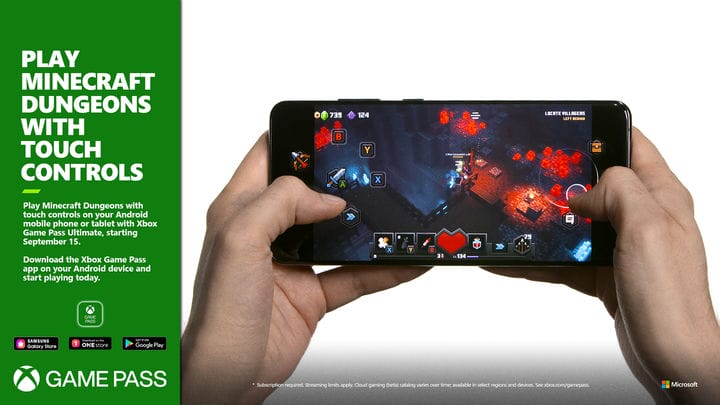
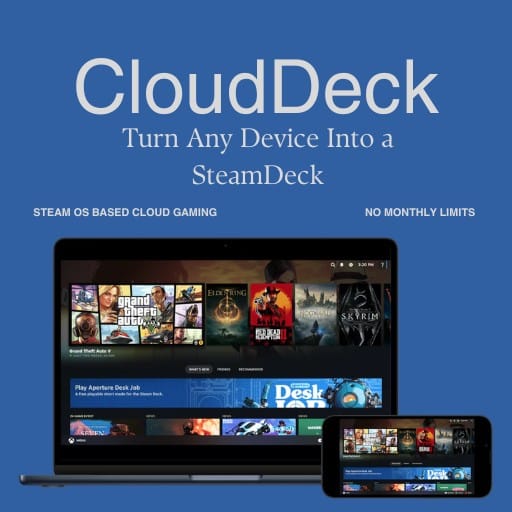


Can You Play Minecraft On Mac A Complete Guide For 2025 Eneba Minecraft On Mac Cloud Gaming Services 760 420.webp. Minecraft Dungeons Erhalten Vollst Ndig Optimierte Touch Steuerung F R Touch 1920x1080 Cta Bar . Can You Play Minecraft On Cloud Gaming Services Try Clouddeck Ad . Xbox Cloud Gaming Fortnite 2026 Free Play Guide Xbox Cloud Gaming Fortnite 2026 . Playing MINECRAFT On PLAYKEY Cloud Gaming YouTube



Can You Play Minecraft Mini Games In 2024 Minecraft YouTube . What Is Cloud Gaming Minecraft Legends On Xbox Cloud Gaming . Can You Play Minecraft On Cloud Gaming Services Minecraft 512x239 . Can You Play Minecraft With ExpressVPN 2026 Play Minecraft With Expressvpn . Cloud Gaming Xbox Cloud Gaming On Windows 11 Xbox App 100902843 Orig
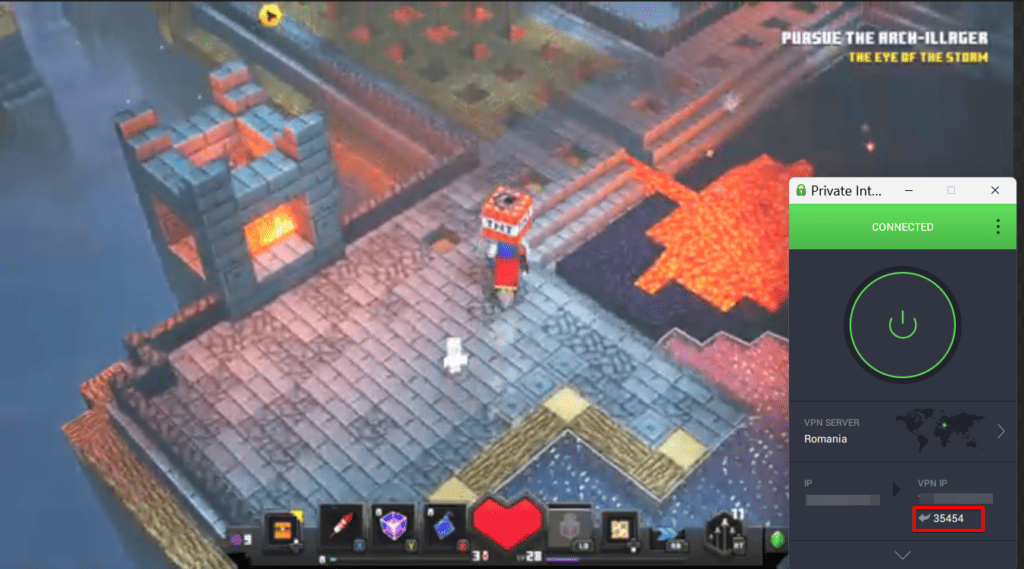


Apparently We Can Play Minecraft On A Demo Computer R OfficeDepot . Can You Play Minecraft With Private Internet Access 2026 Minecraft Using Pia Romania Server 1024x569 . Can You Play Minecraft On Cloud Gaming Services Try Airgpu Ad . Play Minecraft In The Cloud Virtuozzo Blog Minecraft14 . Play For Free With Prime Luna Cloud Streaming Games For January 2026 Amazon Luna January 2026 Free Pc Games

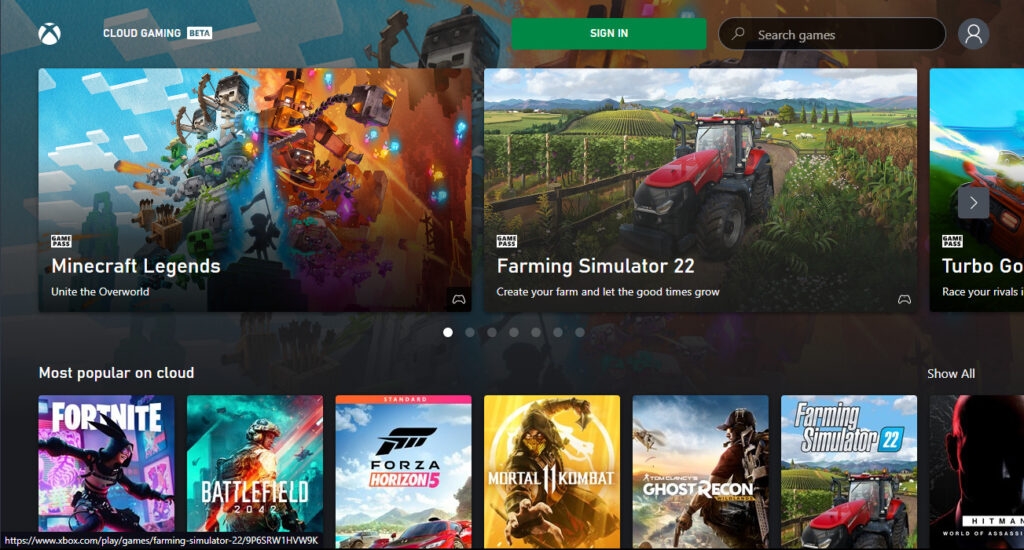
How To Join A LAN World In Minecraft Setup Connect How To Play Minecraft . What Is Xbox Cloud Gaming Everything You Need To Know TechLatest Xbox Cloud Gaming 1 1024x550 . The 6 Best Cloud Gaming Services Of 2026 Reviews By Wirecutter BEST CLOUD GAMING SERVICES . Cloud Gaming IOS How To Play On IPhone IPad 2026 Cloud Gaming Io Games . Play Minecraft Clearance Cumberland Org